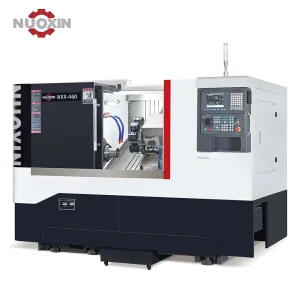
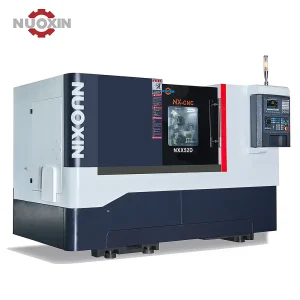
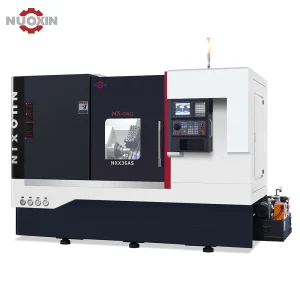
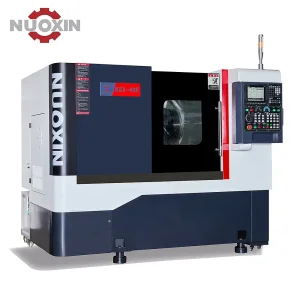
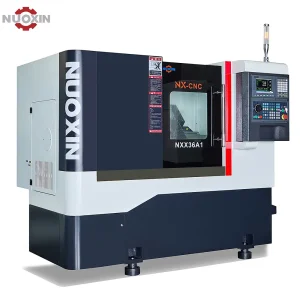
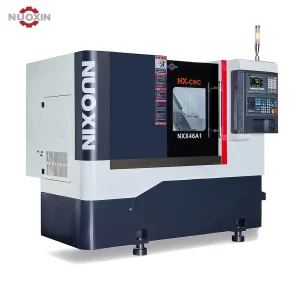
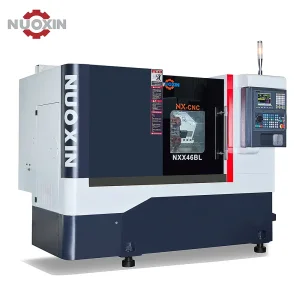
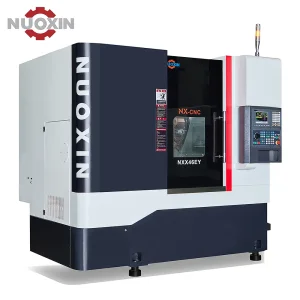
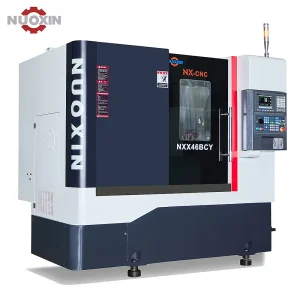
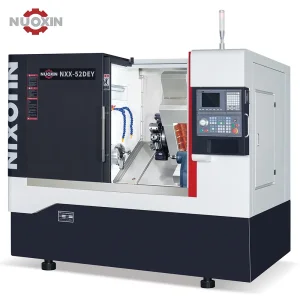
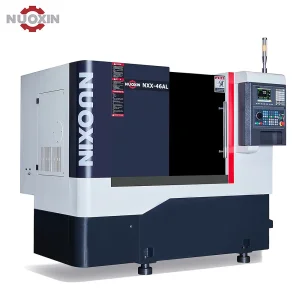
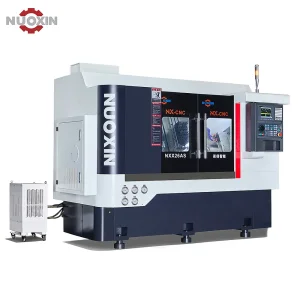
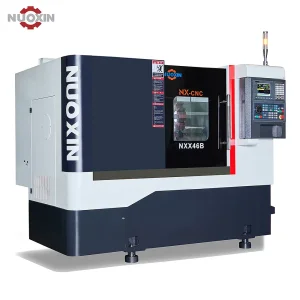
Explore our premier configurations for slant bed CNC lathes and high-performance turning centers engineered for heavy-duty operational stability.
Exploring the Intersection of Hardware Architecture, Real-Time Kernels, and Global Procurement Realities
In modern high-precision subtractive manufacturing, the CNC turning controller acts as the central nervous system. It translates complex CAD/CAM vectors into real-time physical toolpaths with micro-inch accuracy. The optimization of OEM CNC turning systems has evolved beyond simple G-code execution. Today, it encompasses closed-loop axis positioning, high-speed interpolative logic, predictive thermal compensation, and Industrial Internet of Things (IIoT) communication protocols.
For global procurement officers and system integrators, selecting the right controller architecture requires balancing initial quotes with long-term reliability. By analyzing performance parameters such as bus cycle times, servo integration interfaces, and industrial software flexibility, manufacturers can unlock significant gains in cycle efficiency and surface finish quality.
Utilizing high-speed EtherCAT or MECHATROLINK networks ensures sub-millisecond servo update intervals, minimizing contour errors during complex interpolation.
Real-time algorithmic offsets dynamically correct spindle and machine bed deviations based on distributed thermal sensor feedback arrays.
OEM environments benefit from modern human-machine interfaces supporting open APIs, permitting custom software overlays and custom operation workflows.
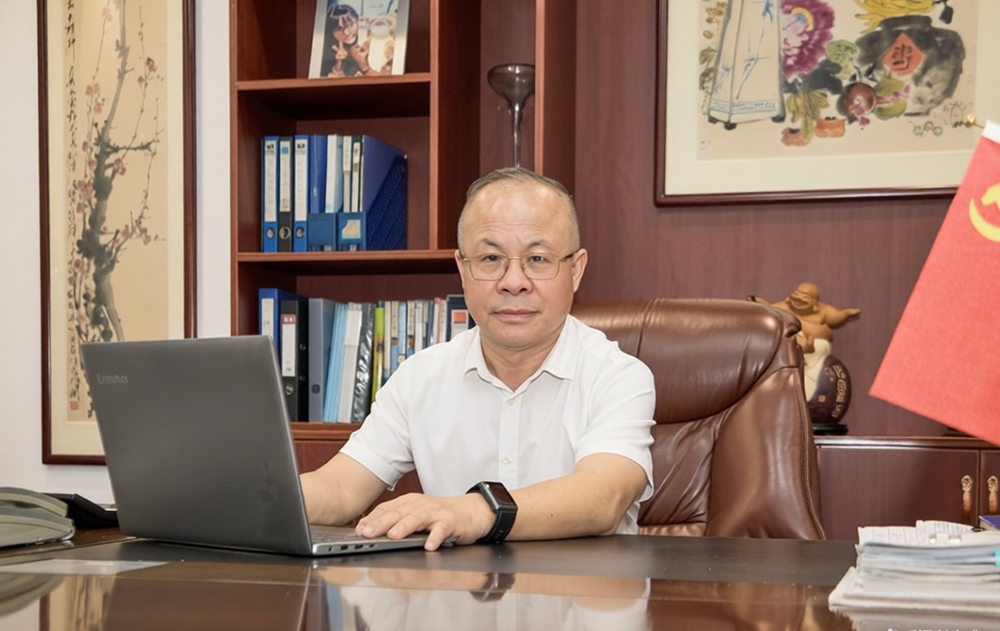
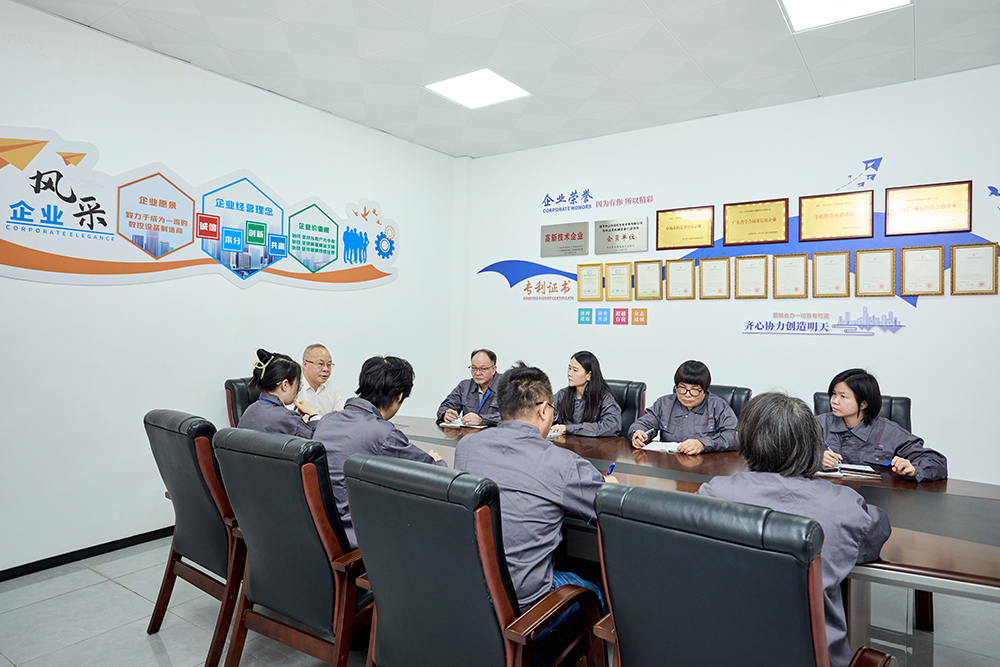
Established in 2004, Zhongshan Nuoxin Intelligent Equipment Co., Ltd. has pioneered the precision engineering landscape. Over the course of 20 years, we have transitioned from a localized manufacturing factory into a premium, high-tech enterprise. Our core specialty lies in the rigorous design, engineering, and manufacturing of CNC lathes, multi-tasking turning-milling centers, and vertical machining centers.
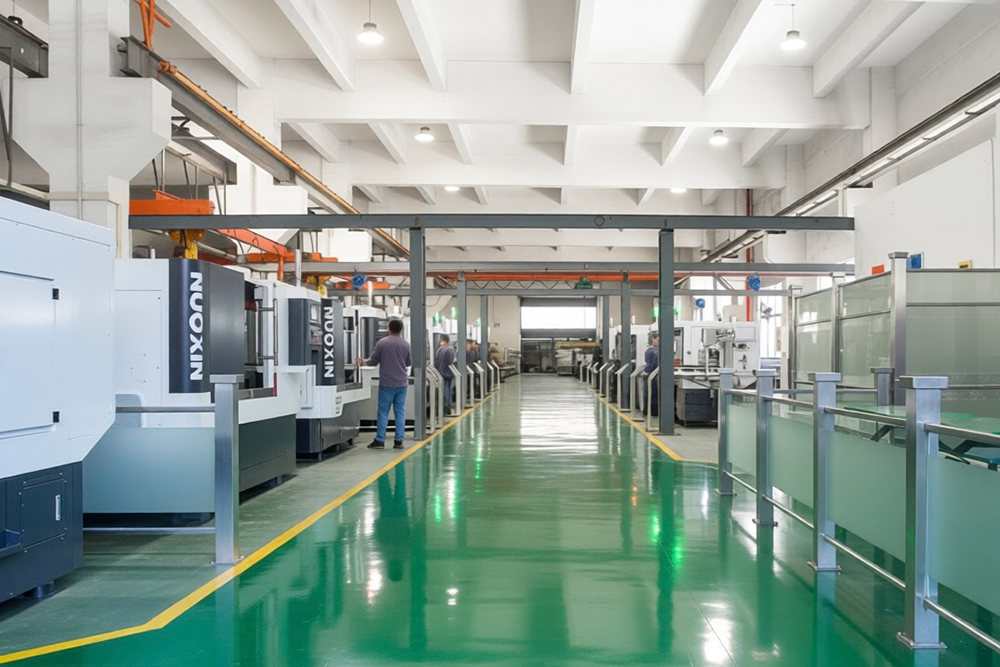
Operating a state-of-the-art facility spanning over 20,000 square meters in the Industrial Development Zone of Zhongshan City, Guangdong Province, we control the entire lifecycle of our machines. With international certifications including ISO9001 and ISO14001, we ensure that every CNC lathe and turning controller configuration complies with strict geometric tolerance and reliability tests before departure.
China's industrial landscape offers deep strategic benefits for global OEMs seeking turning controllers and complete slant-bed lathe setups. Located within South China's electronics and mechanical clusters, factories like Zhongshan Nuoxin leverage mature local supply chains. We source raw materials, linear guides, precision ball screws, and chipsets at optimal speed and cost.
This concentrated ecosystem ensures rapid turnaround times from initial design consultation to full mechanical integration. Over the past decade, Chinese manufacturers have made significant progress in system algorithms, closed-loop servo synchronization, and multitasking turning-milling controls. This progress matches international standards while offering cost efficiencies that keep capital expenditure optimized.
Deploying specialized CNC turning systems to meet high-accuracy tolerances across diverse industrial sectors.
Requires rigid slant-bed designs (such as the NXX-46D or NXX-52D) to handle exotic alloys. Systems execute sub-micron tool offsets to meet tight geometric dimensioning and tolerancing (GD&T) standards.
High-volume manufacturing of transmission shafts, steering components, and custom pistons requires rapid cycle times. Integrated hydraulic tailstocks and servo power turrets reduce manual intervention and boost throughput.
Micro-machining systems demand high-RPM spindles and stable gang tooling configurations. Multi-axis CNC controllers guide tools smoothly, eliminating surface micro-chatter on titanium dental implants and orthotics.
Plumbing connectors, brass valves, and aluminum LED enclosures use complex multi-lead threads. Dual-spindle turning centers machine the front and back of components in a single setup.
At Zhongshan Nuoxin Intelligent Equipment Co., Ltd., we view the purchase of a CNC system as a long-term strategic partnership. Our technical support covers the entire lifecycle of your machinery. This begins with pre-sales engineering consulting to match your CAD designs with the appropriate spindle power, axis travel, and control configuration.
Upon delivery, our engineering team manages the installation, leveling, and commissioning to confirm the equipment achieves its rated geometric precision. We run specialized training programs for your operators, covering setup, tool offsets, safety protocols, and direct controller programming. This minimizes the learning curve and maximizes the return on your investment.
Procuring industrial CNC systems requires analyzing specific technical specifications to ensure long-term equipment compatibility. The table below highlights the key variables buyers focus on during quotation reviews:
The CNC controller industry is shifting toward smart, self-optimizing architectures. Key updates include integrating edge computing nodes directly into the controller chassis. This allows the system to analyze vibration signals from accelerometers mounted near the spindle bearings, identifying tool wear before it impacts part quality.
Additionally, modern controllers support Digital Twin representations. Machining paths can be simulated virtual-first to check for potential collisions between the turret and tailstock, saving time and protecting critical physical hardware.
Technical and procurement answers designed for manufacturing engineers and purchasing managers.
OEM pricing depends on controlled axis count (e.g., 2-axis turning vs. multi-axis mill-turn), the communication protocol (EtherCAT, CANopen), feedback loop selection (semi-closed vs. fully closed loops), and custom screen modifications. Real-time dynamic compensation packages also adjust the overall system cost.
Slant-bed layouts (such as 30° or 45° angles) provide superior structural rigidity, rapid chip removal, and shorter thermal paths. They minimize structural deflection under high load and improve tool life during continuous machining.
Our CNC turning controllers support protocols including OPC UA, Ethernet/IP, and Modbus TCP. This enables integration into factory MES systems for remote cycle timing and predictive maintenance.
Standard lathe and controller configurations ship within 30 to 45 business days. Highly customized configurations requiring special workholding, automation gantries, or specific control units involve detailed engineering reviews and average 60 to 90 days.
Select options featuring twin spindles, live tooling capability, and high-rigidity gang tools for high-precision components.
 Nuoxin