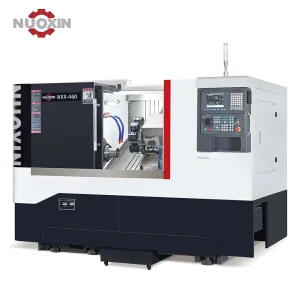
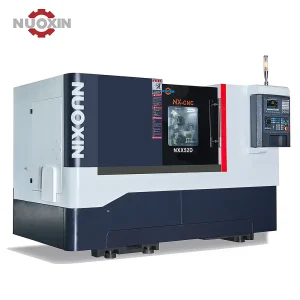
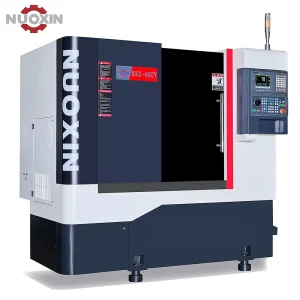
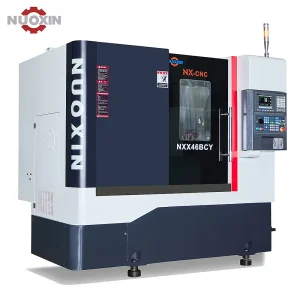
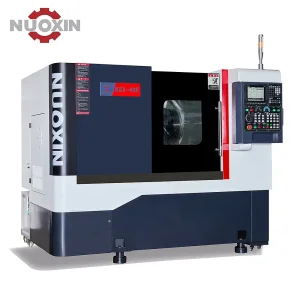
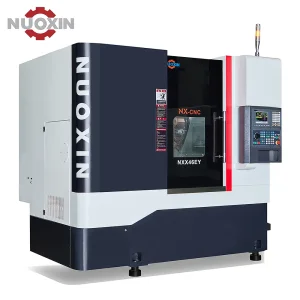
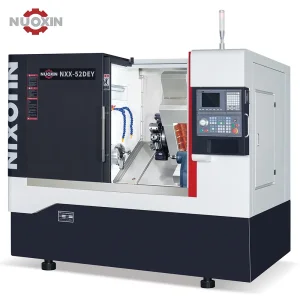
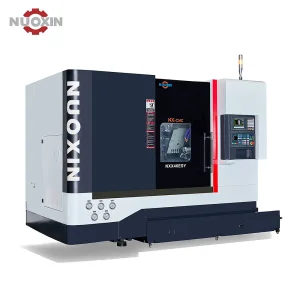
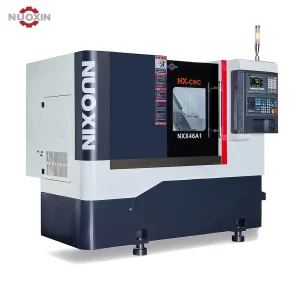
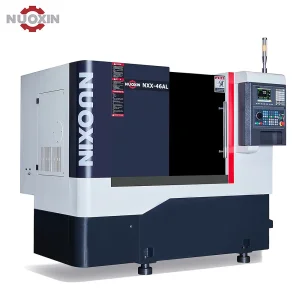
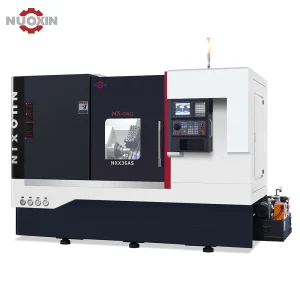
Engineered for high-vibration resistance and micro-tolerance component manufacturing in Tokyo's core advanced tech zones.
Tokyo, particularly regions like Ota-ku and the Tama industrial area, stands as a global hub for micro-precision engineering and prototyping. In these zones, manufacturing small batches of ultra-high-precision medical devices, aerospace fasteners, and robotic parts dictates the tooling demands. With space constraints and labor limits, Tokyo workshops demand compact, reliable, and multi-functional machine tools.
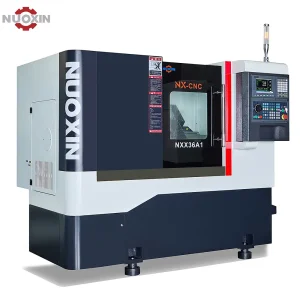
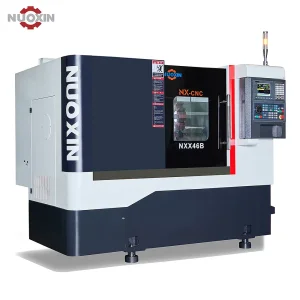
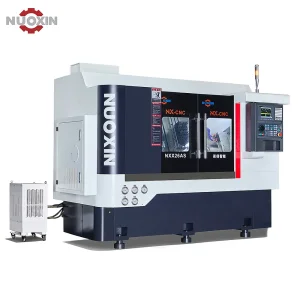
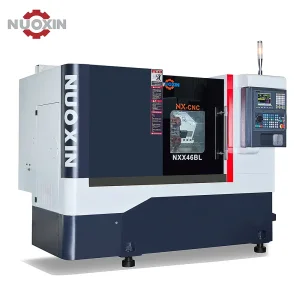
This is where the choice of a slant bed CNC lathe becomes critical. The inclined bed design allows for optimal chip disposal, excellent thermal expansion distribution, and higher structural rigidity compared to traditional flatbed architectures. Our line of slant-bed machines directly addresses these demanding conditions by providing the necessary high-torque capabilities within a space-efficient footprint.
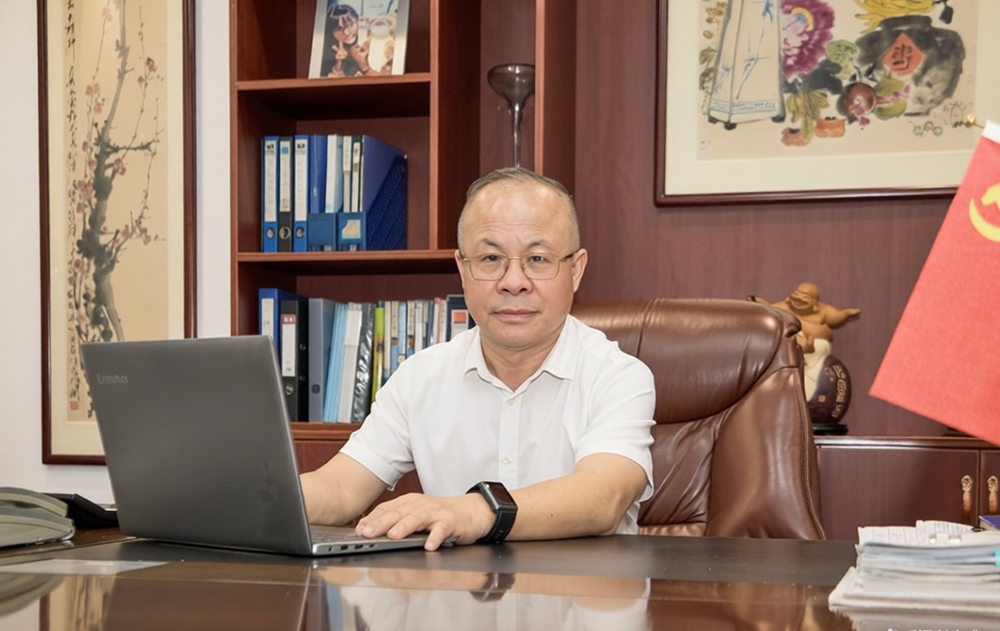
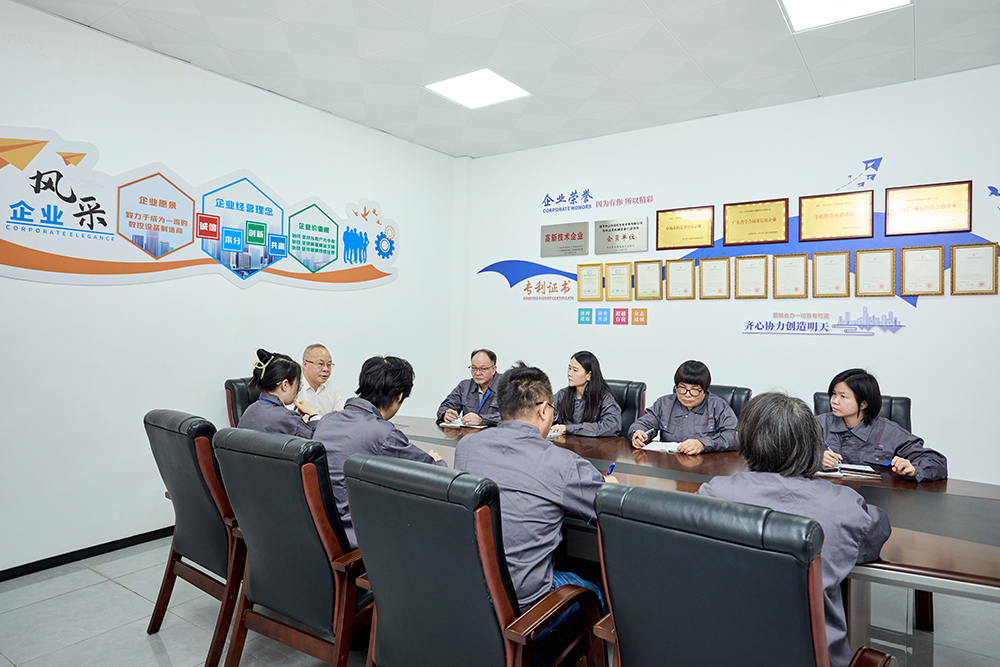
Established in 2004, Zhongshan Nuoxin Intelligent Equipment Co., Ltd. is a high-tech enterprise dedicated to the research, production, and worldwide supply of high-end CNC numerical control lathes, turning-milling combined centers, and vertical machining centers. Operating from a highly advanced, self-owned factory spanning over 20,000 square meters, we integrate structural design, mechanical assembly, software alignment, and dynamic testing under one roof.
Our strategic advantage lies in bridging the economic efficiency of Chinese intelligent manufacturing with high-specification global requirements. By sourcing our components from renowned international suppliers (such as Fanuc systems, NSK bearings, and THK linear guides) and leveraging our standardized mass assembly systems in China, we offer Tokyo distributors and end-users cost-competitive pricing without compromising accuracy.
From complex automotive prototyping to miniaturized optoelectronics production, our slant bed turning centers are designed for high-mix, low-volume and high-volume operations alike.
Machining complex shafts, planetary gears, and stator housings with consistent tolerances down to ±0.002mm. Supporting heavy cutting with hydraulic tailstocks.
Surgical bone screws, implant connectors, and micro-optics casings require medical-grade titanium machining. Our gang-tool configurations offer fast cycles with zero tool change delay.
Reducing overhead through multi-tasking centers. Execute turning, milling, drilling, and tapping on one single setup, minimizing human error and part handling costs.
Our relationship with clients in the Tokyo area goes far beyond shipment logistics. We provide comprehensive mechanical engineering support, tooling consultation, installation, and commissioning. When a CNC lathe is integrated into your production floor, we assist in parameter optimization and controller interface training (Milling paths, G-code optimizations, multi-axis settings).
All machines are backed by our global technical response protocols. Our network provides remote diagnostics within 2 hours, and dispatch logistics for parts and field technicians are streamlined for minimum downtime. We understand that a machine tool out of service represents lost revenue, which is why we offer complete predictive maintenance schedules and high-wear replacement parts kits alongside every shipment.
Review Service SLA Details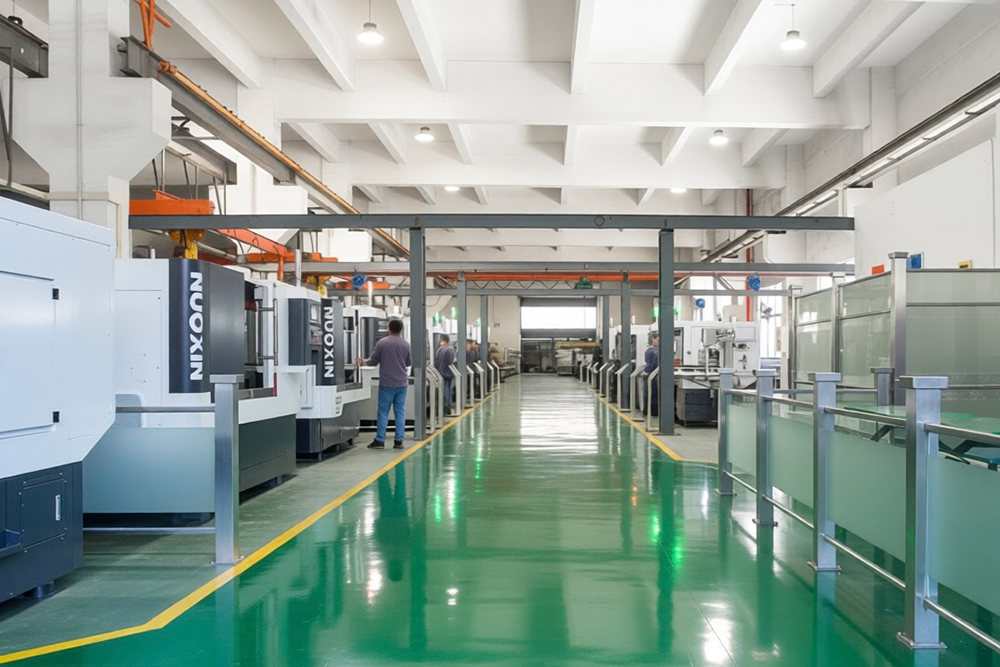
Purchasing agents and manufacturing engineers sourcing CNC lathes in the Japanese capital often find themselves weighing domestic Japanese manufacturing giants against high-tech export suppliers. While Japanese CNC brands maintain a historical reputation for precision, the capital procurement cost is often double. By utilizing advanced Chinese CNC machinery built on premium components, manufacturers can achieve identical performance results at a fraction of the cost.
Standard flatbed lathes remain common in basic repair shops, but for modern, high-production CNC machining, the slant bed design is indispensable. The 30° or 45° angle provides physical stabilization: the cutting forces push directly into the heavy cast iron frame. This minimizes vibration during aggressive operations, extends tooling lifetimes by up to 40%, and facilitates instantaneous chip evacuation. In automated setups equipped with bar feeders, efficient chip flow prevents bird-nesting around the chuck, which could otherwise halt production or damage surface finishes.
A typical CNC Lathe Pricelist in Tokyo varies widely depending on structure, spindle bore size, and turret complexity. While basic domestic setups start around $65,000, our advanced solutions represent a significant cost-to-performance optimization. For instance, the NXX series offers cast iron bases, linear guide upgrades, and hydraulic clamping at prices that accommodate mid-sized precision job shops looking to modernize their machinery.
When selecting your machinery manufacturer, verify their certifications and production history. Zhongshan Nuoxin Intelligent Equipment holds ISO9001 and ISO14001 certificates. Our structural bases undergo heat treatment and natural seasoning processes to prevent deformation over years of operation. Every assembly is subjected to laser interferometer mapping to correct pitch errors along all axes, ensuring the long-term repeatability required by automotive and medical contractors.
Explore our full technological lineup, including heavy hydraulic tailstocks, live tooling turrets, and twin-spindle configurations.
How automation, connected software systems, and multi-axis configurations are reshaping manufacturing in Tokyo's industrial zones.
In Ota City and across the wider Tokyo Metropolitan area, workspace scarcity has forced a shift away from single-operation machinery. A turn-mill center containing live tooling can execute transverse milling, offset boring, and tapping without transferring the workpiece to a separate vertical machining center. Eliminating manual transfer reduces physical placement errors and guarantees concentricity. Twin-spindle designs automate part handover from spindle-1 to spindle-2, enabling unmanned operations overnight.
Modern production facilities demand remote oversight capabilities. Our newer control systems support digital output, allowing real-time tracking of tool wear, spindle temperature, and torque levels. Predictive failure modeling ensures operators can cycle tools before mechanical breakage happens, preventing scrapped parts and preserving machine spindle health.
Japanese energy tariffs make power efficiency a primary metric for equipment procurement. Our variable-frequency hydraulic pump motors and low-friction linear pathways minimize idle power draw. Nuoxin lathes use regenerative braking on our servo spindle motors to capture energy during decelerations, feeding power back into the machine's primary bus bar to reduce electricity overhead by up to 15%.
Expert answers to help you navigate machine selection, technical logistics, customs protocols, and post-sales support.
 Nuoxin