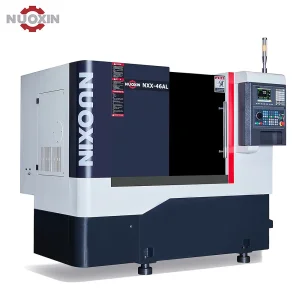
Explore our high-rigidity CNC slant bed systems, custom gang tool configurations, and intelligent controllers engineered for global aerospace, automotive, and medical component manufacturing.
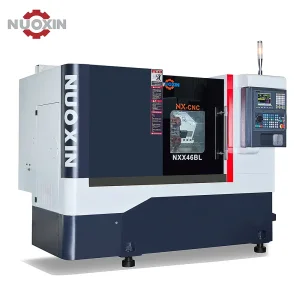
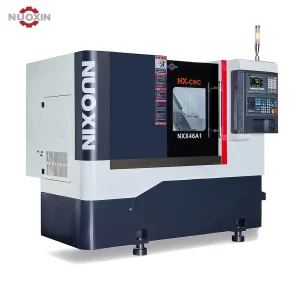
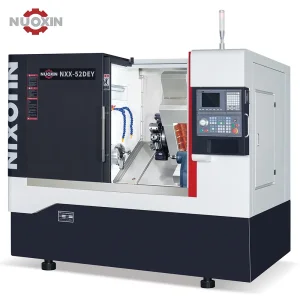
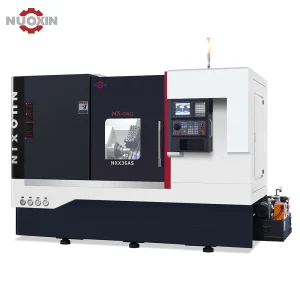
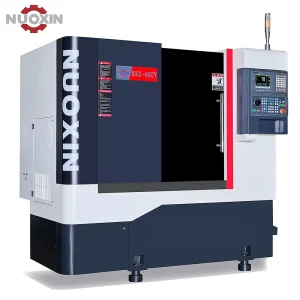
A Comprehensive Technical Whitepaper on Multi-Axis Interpolation, Real-Time Bus Communication, and Smart Industrial Integration.
In modern high-speed precision manufacturing, the CNC Machine Controller serves as the central nervous system of the machine tool. Its main job is to convert complex G-code instructions into precise physical movement. This is done through real-time loop feedback, high-frequency servo drives, and synchronized multi-axis control. As manufacturing changes with Industry 4.0, choosing the right OEM CNC controller is no longer just about compatibility. It is now a critical factor for achieving high precision, low latency, and efficient operational uptime.
Standard CNC controllers often limit how much you can customize them. OEM CNC controllers, however, let engineers adapt the control system to match specific mechanical architectures, like slant-bed geometries, twin-spindle setups, and live power turrets. When you choose customized software architectures, like the SYNTEC Control System or tailored RTOS (Real-Time Operating System) setups, you gain complete control over axis acceleration rates, thermal compensation loops, and automated tool monitoring. This level of customization improves surface finishes and shortens cycle times.
Enables the controller to process twin-spindle and live tooling paths simultaneously, optimizing cycle efficiency in multi-tasking centers.
Real-time industrial Ethernet protocols guarantee millisecond-level feedback loops between the CNC controller and servo drives.
Intelligent algorithms predict thermal drift in real-time, adjusting axis coordinates to maintain precision within sub-micron tolerances.
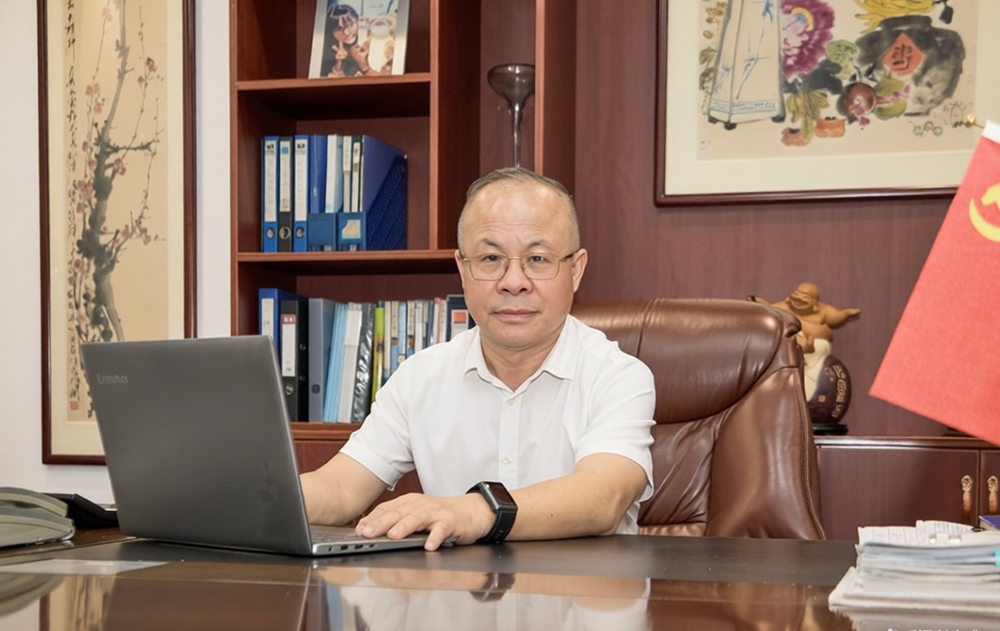
Zhongshan Nuoxin Intelligent Equipment Co., Ltd. was established in 2004 and is a premier high-tech enterprise. The company specializes in the research and production of precision processing equipment such as CNC numerical control lathes, turning-milling combined machines, and vertical machining centers. At the same time, the company is dedicated to providing customers with support for precision part processing technology and CNC equipment operation training, as well as handling after-sales issues.
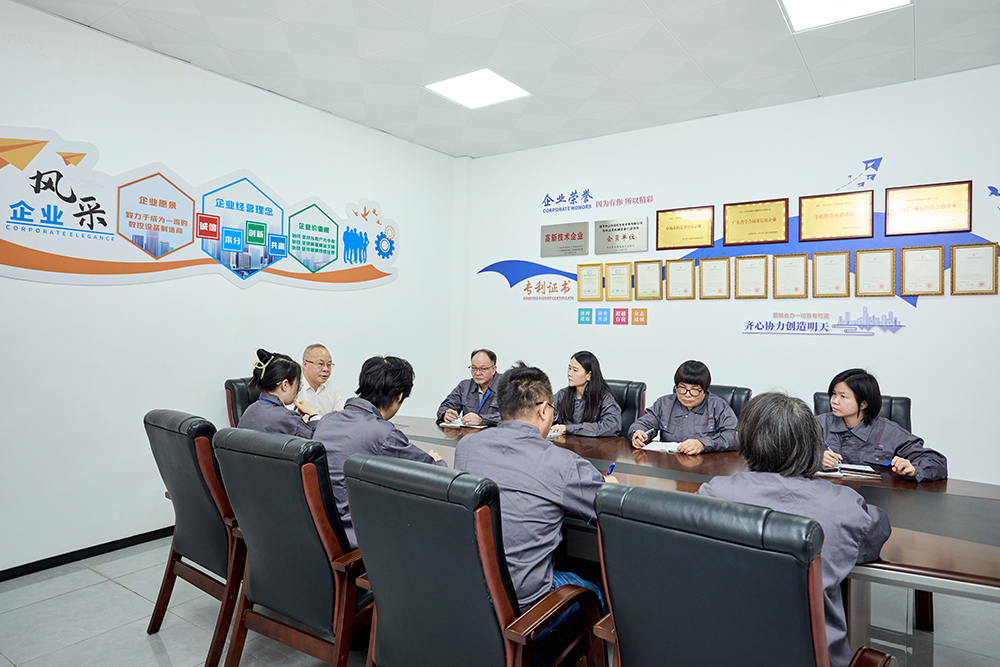
The company has been deeply engaged in the CNC lathe industry for over 20 years and has successively received titles such as "Guangdong Province High-tech Enterprise" and "Zhongshan Machinery Chamber Council Member Unit". It is committed to creating more value for its customers and providing comprehensive solutions that meet the processing needs of customers.
Located in the Industrial Development Zone of Zhongshan City, Guangdong Province, our factory spans over 20,000 square meters. It features dedicated design, assembly, and testing lines. Our focus on continuous innovation, standardized production, and strict quality control has earned the company numerous product invention and utility model patents, as well as international ISO9001 and ISO14001 system certifications.
Our professional design and production teams use advanced testing equipment, including laser interferometers and dynamic balance analyzers. These tools help ensure that every CNC lathe and turn-mill center leaving our facility delivers excellent positioning accuracy and geometric reliability over years of continuous operation.
The company's product quality and after-sales service are highly recognized by customers. Our business scope covers aviation, automobiles, motorcycles, construction machinery, home appliances, plumbing and bathroom, lighting, medical and optoelectronics, and more.
We provide our customers with complete system technical service support. This includes pre-sale technical consultations, in-sale installation and commissioning, technical training, post-sale maintenance, and regular customer follow-ups. Our after-sales team is ready to respond quickly to keep your production lines running smoothly.
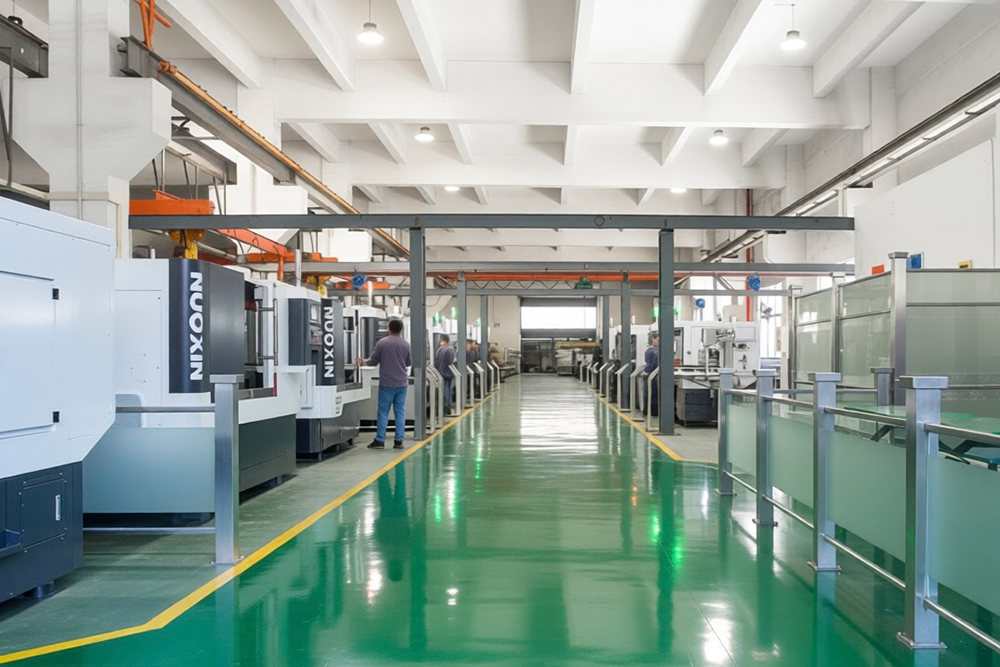
Why international manufacturing enterprises partner with OEM suppliers in Guangdong's industrial belt to optimize total cost of ownership (TCO).
Sourcing directly from a factory in Zhongshan, Guangdong—the heart of China's advanced machinery manufacturing corridor—offers significant supply chain advantages. By eliminating intermediaries, international buyers can reduce procurement costs by 30% to 45% compared to purchasing from domestic machine assemblers. This price difference allows buyers to allocate budget toward premium, high-specification CNC controllers (like multi-axis SYNTEC or Fanuc systems), high-end linear guideways, and customized tooling packages.
Guangdong's industrial cluster hosts a complete ecosystem of raw material foundries, precision gear manufacturers, spindle producers, and heat-treatment facilities. This dense concentration allows for rapid turnaround on customized casting changes (such as adjusting the bed width for longer shaft turning or modifying gang tool plates) without the long delays typical of fragmented supply chains.
Global procurement teams often need specialized software features, such as custom HMI panels, barcode/RFID scanner inputs, automatic workpiece loading integration, or direct ERP data synchronization via OPC-UA. Guangdong OEM suppliers can integrate these requirements directly on the assembly floor, ensuring that the controller matches the factory's digital ecosystem right out of the box.
Ensuring seamless integration within international regulatory frameworks and factory networks.
When deploying CNC machinery globally, adhering to regional safety standards and power configurations is essential for smooth installation and compliance. Here is how we ensure our systems meet these requirements:
We configure our systems to match local grid standards, including 220V single-phase, 380V three-phase, or 480V systems used in North America. This design avoids the need for external transformers, saving space on the factory floor.
Our machines are built to meet CE and UL machinery directives. This includes incorporating dual-channel emergency stop circuits, interlocked safety guards, and integrated safety functions like Safe Torque Off (STO).
The control software supports multiple languages, including English, Spanish, German, and Portuguese. This localization helps local operators run setups, perform tool changes, and troubleshoot alarms efficiently.
The transition from isolated machining tools to cloud-connected, AI-optimized production nodes.
The CNC machine tool industry is undergoing a digital transformation. Current trends are moving away from stand-alone operations and toward connected, intelligent systems. At Nuoxin, we monitor these trends and integrate advanced features into our product development:
Answers to common technical, logistics, and customization questions from global procurement managers.
Browse our selection of multi-tasking centers and precision lathe systems, engineered to handle tight tolerances and demanding materials.
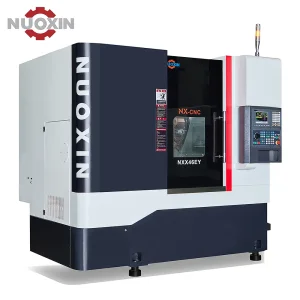
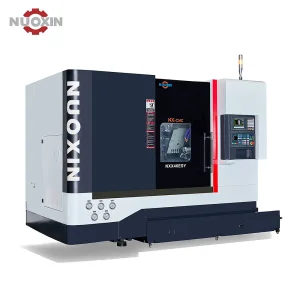
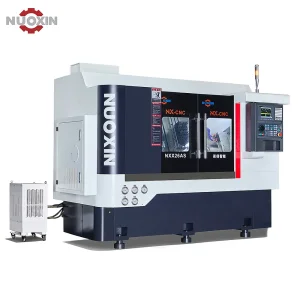
Partner with Zhongshan Nuoxin Intelligent Equipment for reliable design, robust quality control, and complete factory support.
Looking to the future, our company will consistently adhere to the business philosophy of "honesty, responsibility, innovation, and win-win", and implement the quality policy of "quality improvement, customer satisfaction first". We will continue to improve and provide continuous services to offer customers higher-quality products and more satisfactory services! We look forward to your visit and cooperation!
Whether you need to configure a custom slant-bed turn-mill lathe line or require specific G-code controller changes, our engineering and procurement team is ready to assist. Contact us today to receive customized technical designs and competitive manufacturing quotes.
 Nuoxin