Explore our primary selection of heavy-duty, high-precision CNC slant bed lathes, twin-spindle machining centers, and gang tool arrays designed for high-efficiency components production.
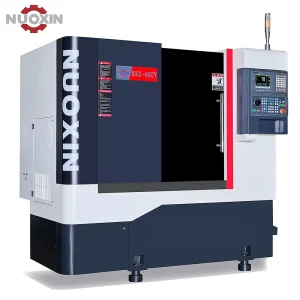
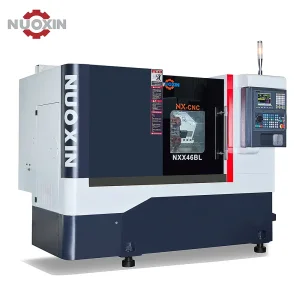
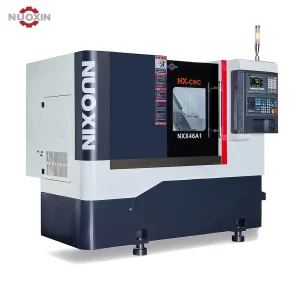
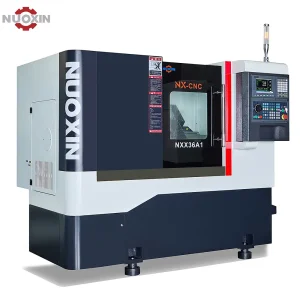
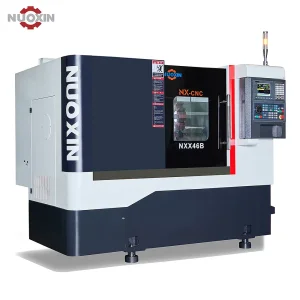
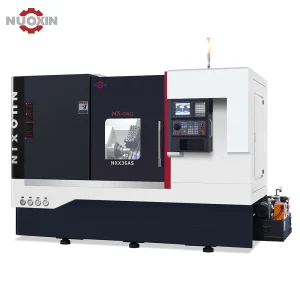
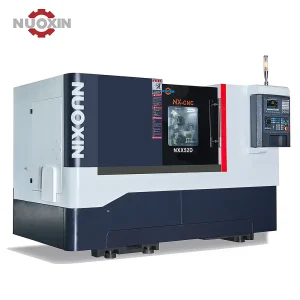
The global industrial landscape relies heavily on rapid high-precision machining systems. CNC Turret Lathe Machines are the backbone of advanced manufacturing, transitioning from simple two-axis horizontal operations to multi-axis turn-mill configurations. Historically, parts requiring complex profiles, threading, cross-drilling, and milling had to travel between multiple single-process machines, introducing mechanical error, labor costs, and cumulative cycle delays.
In the current geopolitical and macroeconomic climate, manufacturing hubs in North America, Western Europe, and East Asia are shifting toward automated, high-density machining. High-precision rotary indexing turrets equipped with hydraulic clamping mechanisms and Live Tooling (VDI or BMT standards) enable complete part completion within a single setup (Done-in-One processing). These features significantly improve throughput for sectors experiencing strict tolerance demands, such as electric vehicle (EV) drivetrains, medical implant manufacturing, aerospace fasteners, and renewable energy components.
Procurement agents and plant managers evaluating a CNC Turret Lathe Machine pricelist and quotes must look beyond basic base prices. The capital expenditure of acquiring high-performance systems is directly tied to structural parameters, CNC controllers, spindle configurations, and degree of automation.
| Machine Category | Typical Configuration Features | Price Index Range (USD) | Ideal Target Application |
|---|---|---|---|
| Gang Tool Slant Bed Lathes | Flat/Slant bed, gang plate tooling, 36mm-46mm bar capacity, Syntec/LNC controller. | $14,000 – $25,000 | High-speed small-diameter pins, electronic connectors, simple bushings. |
| Standard Indexing Turret Lathes | 8 to 12-position servo/hydraulic turret, hydraulic tailstock, 46mm-52mm spindle bore. | $22,000 – $38,000 | Automotive shafts, hardware fittings, agricultural components. |
| Turn-Mill Centers (Live Tooling) | C-Axis spindle control, 12-station VDI/BMT turret, live rotational tools, sub-spindle option. | $35,000 – $65,000 | Complex valve bodies, manifold blocks, medical implants with cross-milling. |
| Twin-Spindle Dual-Gang Tool Lathes | Opposed spindles, twin cross-slides, simultaneous front-back machining, automated loaders. | $45,000 – $85,000+ | High-volume automotive components, electronic motor shafts, defense hardware. |
Furthermore, selecting the right options ensures you do not overpay. Standard components such as FANUC or Mitsubishi controllers will scale up the quote, but offer vast global support networks. Meanwhile, regional high-performance controllers like Syntec reduce initial capital investment without compromising essential functions like interpolation or tool monitoring.
Achieving sub-micron accuracy and sustained repeatability over multi-year production runs requires an engineered approach to mechanical structural integrity. Zhongshan Nuoxin Intelligent Equipment incorporates several key design principles across its production lines:
A key advantage of systems like the NXX-46BL is the true slant bed structure (typically 30 or 45 degrees). The slant design allows gravitational chip disposal, keeping hot metal chips clear of the linear guides and ball screws. This isolates heat transfer, preventing thermal expansion from altering dimensional tolerance during long shifts.
Equipped with hydraulic/servo-driven indexing mechanisms, these turrets change tools in 0.2 to 0.5 seconds. Multi-position designs allow operators to pre-stage roughing tools, finishing tools, threading dies, and boring bars, reducing cycle times and eliminating manual intervention.
Models ending in "CY" or "BCY" (e.g., NXX-46CY) feature live tooling turrets. Equipped with independent rotary drives, these systems perform off-center drilling, milling, tapping, and keyway cutting. The addition of a virtual or physical Y-axis allows complex geometrical processing that was historically restricted to machining centers.
Established in 2004, Zhongshan Nuoxin Intelligent Equipment Co., Ltd. is a verified high-tech enterprise specializing in the design, development, and mass production of advanced CNC lathes, turning-milling centers, and vertical machining centers. With two decades of dedicated manufacturing experience, Nuoxin has secured title awards including the "Guangdong Province High-Tech Enterprise" and is an active council member of the Zhongshan Machinery Chamber.
Nuoxin's primary manufacturing facility, situated in the Industrial Development Zone of Zhongshan City, Guangdong Province, spans a self-owned factory area of over 20,000 square meters. The plant integrates standardized manufacturing procedures, advanced precision inspection lines, and strict quality control measures. This disciplined production environment has enabled the company to secure multiple national utility and invention patents, alongside international ISO9001 and ISO14001 quality system certifications.
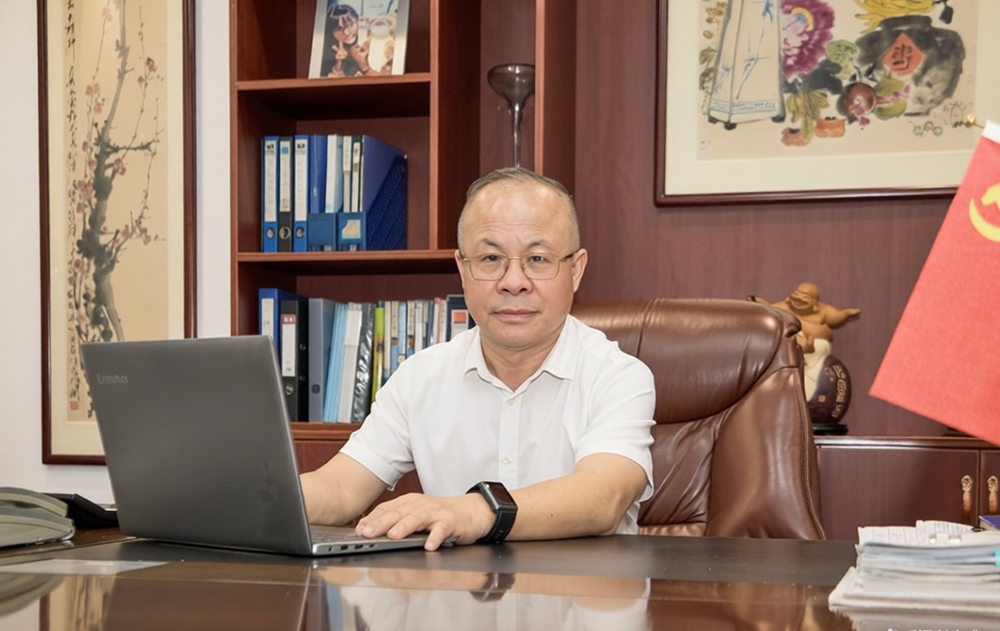
Nuoxin provides end-to-end technical service support, spanning pre-sale consulting, custom structural configurations, factory acceptance testing (FAT), dynamic installation and commissioning, and intensive training courses for operators. The company's precision machinery supports critical supply chains across aerospace, automotive, hardware components, lighting, home appliances, plumbing/HVAC, and advanced medical optoelectronics. Our field technicians respond rapidly to maintain equipment uptime and operational efficiency.
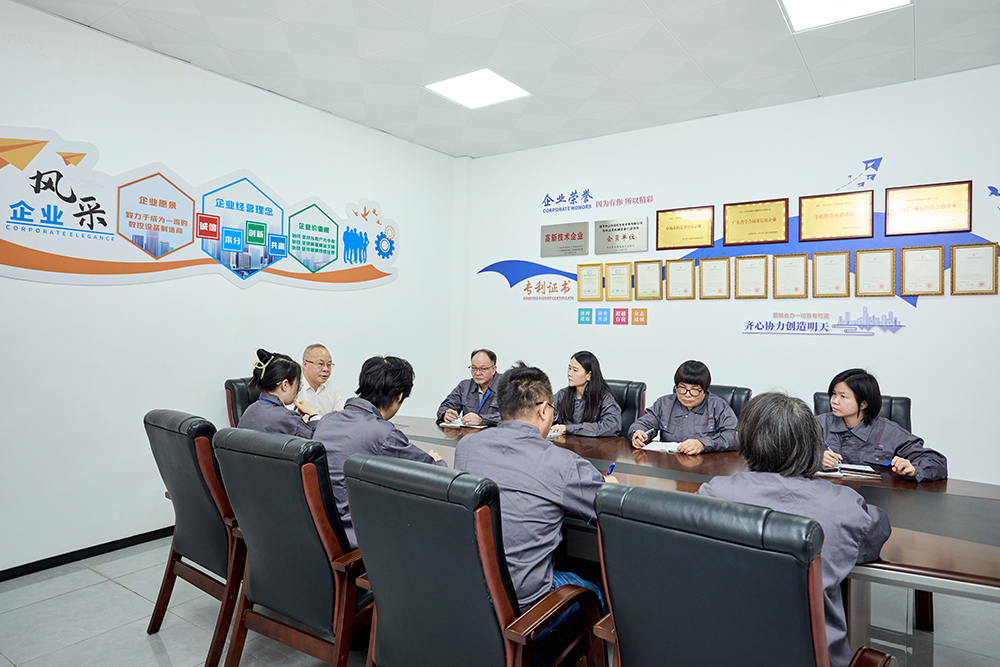
Adhering to the core philosophy of "honesty, responsibility, innovation, and win-win," Nuoxin continuously upgrades its manufacturing methods to meet international standards. We source high-grade gray cast iron bases, premium linear guides from Taiwan, and robust CNC controls to guarantee long-term stability and high reliability. Our international team is dedicated to helping clients optimize their production processes and achieve measurable ROI.
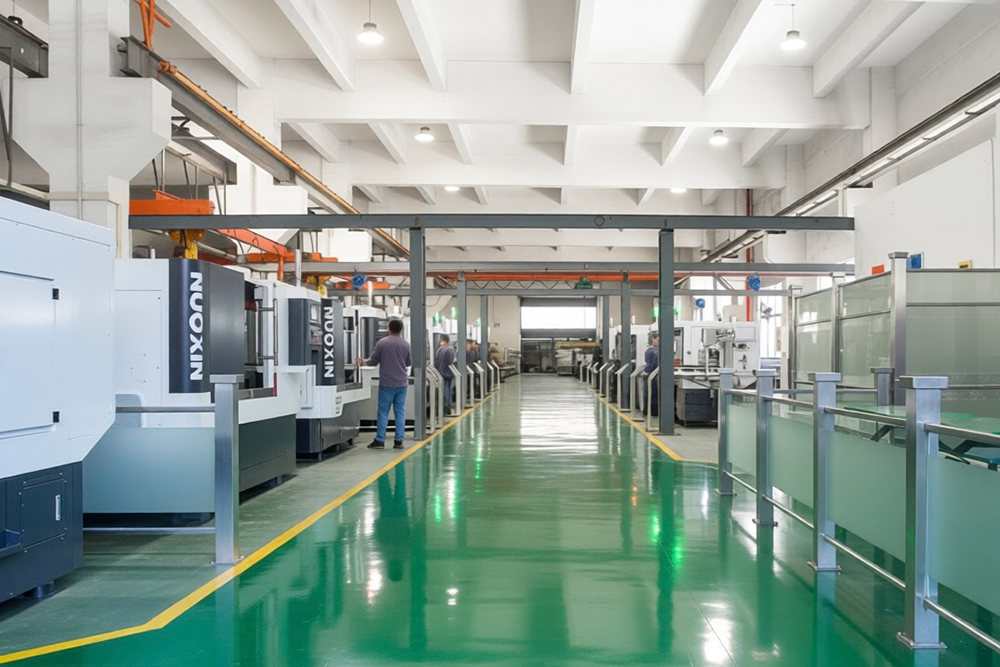
Modern industrial production is shifting from standalone machines to integrated manufacturing ecosystems. When drafting your procurement roadmap, planning for these technical integrations will help future-proof your investment:
Integrating external sensor arrays allows CNC systems to monitor spindle temperature, motor load, and vibration levels in real time. Standardizing on protocols like OPC-UA enables factory managers to identify potential issues and schedule preventive maintenance, avoiding costly unplanned downtime.
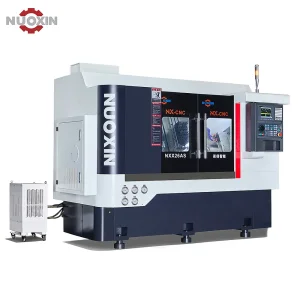
Modern slant bed CNC lathes are increasingly paired with short/long bar feeders, gantry loaders, or robotic arms. Our dual-spindle models (e.g., NXX-26AS, NXX-36AS) are designed for continuous, unattended production, allowing facilities to run lights-out shifts safely.
Advanced tool management software tracks the service life of insert tips dynamically. Using torque detection feedback from the servo drives, the CNC controller can identify broken or worn tools and automatically switch to backup tooling stored in the turret, preventing part damage.
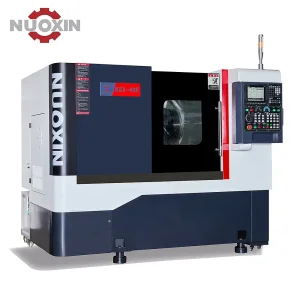
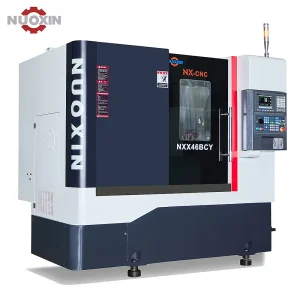
Below is our specialized lineup of multi-axis dual-spindle machining lathes and high-configuration turn-mill centers, optimized for intricate components requiring complex geometries and back-working.
To support procurement decision-making, we have compiled detailed answers to the most common questions raised by operators, engineers, and purchasing departments.
Gang tool lathes (such as the NXX-46A1) mount all tools on a single linear cross-slide. This design offers very fast tool change times (often micro-seconds) because it only requires basic X/Z axis motion, making it highly efficient for smaller parts with short cycle times. However, gang tool arrays have physical space limitations, restricting the size and number of tools you can mount. Turret lathes use a rotary indexing mechanism (servo or hydraulic) that rotates to present each tool to the workpiece. This allows for a larger number of tools, larger part diameters, and features like live tooling, though it adds a short indexing delay between operations.
Slant bed lathes feature an inclined base (often at 30° or 45°). This setup benefits dynamic stability, chip management, and ergonomics in three ways: First, cutting forces are directed straight into the cast iron base, minimizing vibration. Second, gravity naturally pulls hot metal chips and coolant down into the chip conveyor, protecting the linear guides and ball screws from thermal build-up and abrasive wear. Finally, the design gives operators closer access to the spindle, making setup and tool changes easier.
Custom systems that require specific accessories, such as pneumatic/hydraulic chucks, special live tooling holders, automatic parts catchers, or high-pressure coolant units, are built to order. This customization process typically takes 30 to 45 days for assembly and calibration. Standard configurations can often be dispatched faster. Shipping timelines depend on the destination port, with sea freight to North America and Europe usually taking between 25 and 40 days. All quotes are issued on an FOB, CIF, or DDP basis, tailored to the customer's logistics preferences.
Nuoxin conducts a multi-stage quality control process for every machine. The cast iron structures undergo natural and artificial aging to eliminate internal stress. We then check component alignment during assembly using high-precision laser interferometers. Before shipment, each lathe runs a continuous 72-hour test, including ball-bar circularity analysis and spindle dynamic balancing. This ensures the equipment delivers positioning accuracy within ±0.003mm and repeatability within ±0.002mm under real-world operating conditions.
We offer several controller options to match client programming requirements and budgets. For standard operations, Syntec (Taiwan) and GSK (China) are popular for their balance of features and cost. For facilities standardizing on specific control architectures, we can supply FANUC (Japan) or Siemens (Germany) systems. This flexibility allows shops to easily integrate our machines into their existing workflows and post-processor setups.
 Nuoxin