Explore our elite range of slant bed, dual-gang-tool, and rotary turret CNC lathes designed for extreme precision.
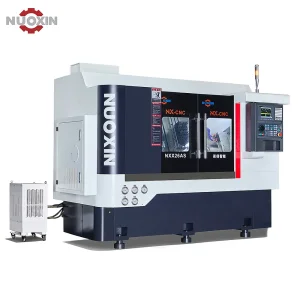
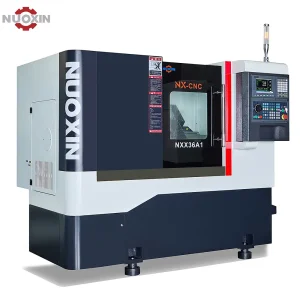
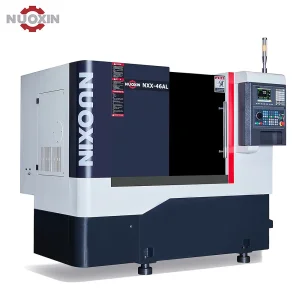
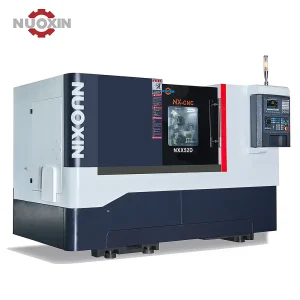
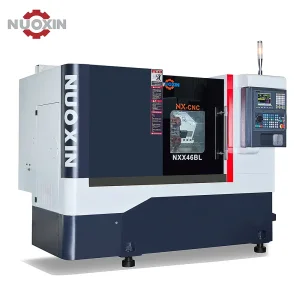
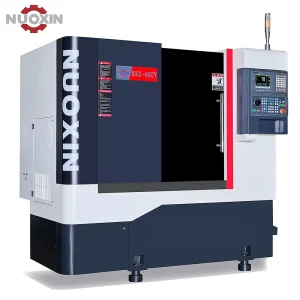
In modern manufacturing, the pressure to reduce cycle times, eliminate secondary setups, and maintain sub-micron tolerances has driven the machine tool industry toward advanced multi-axis integration. The Dual-Spindle Dual Gang Tool Turn-Mill CNC Machine represents the pinnacle of this integration, combining the high-speed material removal of traditional turning with the intricate milling capabilities of machining centers, all executed within a single, highly coordinated work envelope.
Traditional CNC lathes utilize a single spindle and a rotary turret, which requires sequential tool indexing. While turrets offer high tool capacity, the indexing time (ranging from 0.2 to 0.8 seconds per tool change) adds significant idle time over large production runs. By contrast, a gang-tool configuration arranges cutting tools side-by-side on a linear slide. Tool changes are achieved via ultra-rapid linear axis movements, cutting tool transition times down to less than 0.1 seconds. When doubled into a dual gang tool system and coupled with dual spindles (primary and sub-spindle), the machine can perform simultaneous front and back-side machining, effectively halving cycle times for complex components.
Execute balanced turning and simultaneous milling operations on both the main and sub-spindle, eliminating structural idle times.
Linear gang tooling ensures near-zero idle transitions, maintaining optimum chip-to-chip times for rapid cycle execution.
Raw material goes in, and finished, fully-deburred, multi-featured components come out without operator intervention.
The core operating philosophy of a dual-spindle system lies in the seamless transfer of components from the main spindle to the sub-spindle. This is coordinated via precise synchronization of the C-axis and Z-axis. During the transfer cycle, both spindles run at identical RPMs. The sub-spindle advances, clamps onto the partially machined part, and the main spindle releases. This dynamic hand-off allows back-end machining (such as drilling, tapping, and back-boring) to proceed concurrently with the front-end machining of the next part on the main spindle. The result is a continuous, automated flow of finished components.
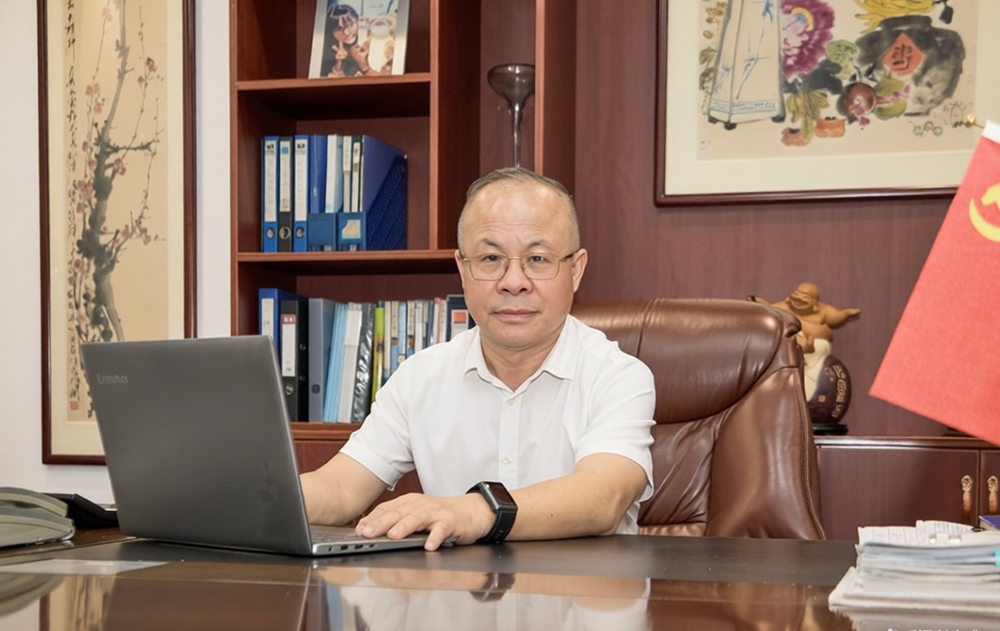
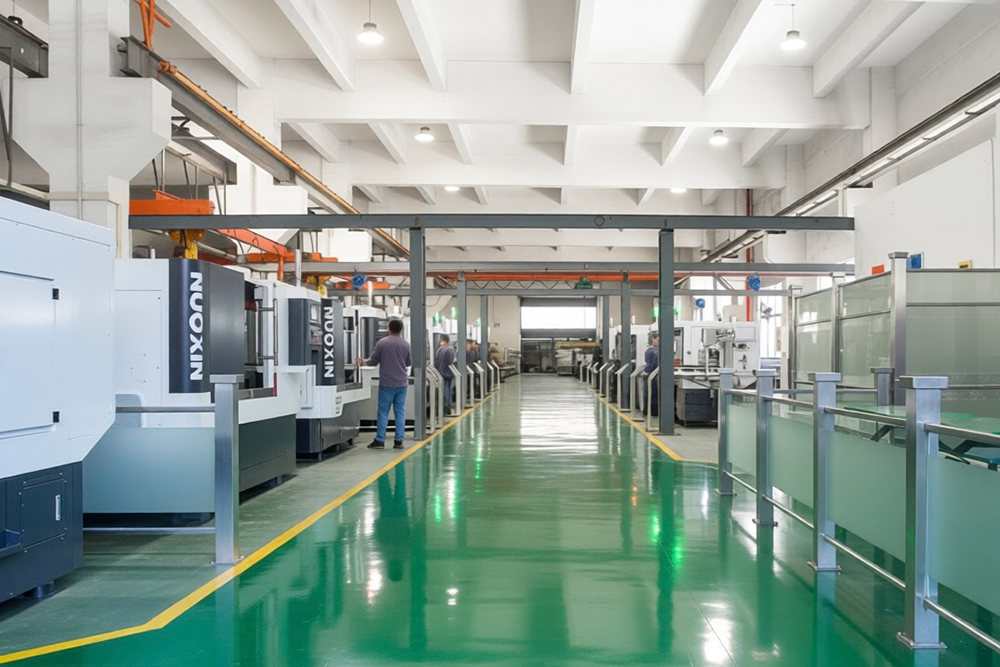
Zhongshan Nuoxin Intelligent Equipment Co., Ltd. was established in 2004 and is a high-tech enterprise. The company specializes in the research and production of precision processing equipment such as CNC numerical control lathes, turning-milling combined machines, and vertical machining centers. At the same time, the company is dedicated to providing customers with support for precision part processing technology and CNC equipment operation training, as well as handling after-sales issues.
The company has been deeply engaged in the CNC lathe industry for over 20 years and has successively received titles such as "Guangdong Province High-tech Enterprise" and "Zhongshan Machinery Chamber Council Member Unit". It is committed to creating more value for its customers and providing comprehensive solutions that meet the processing needs of customers.
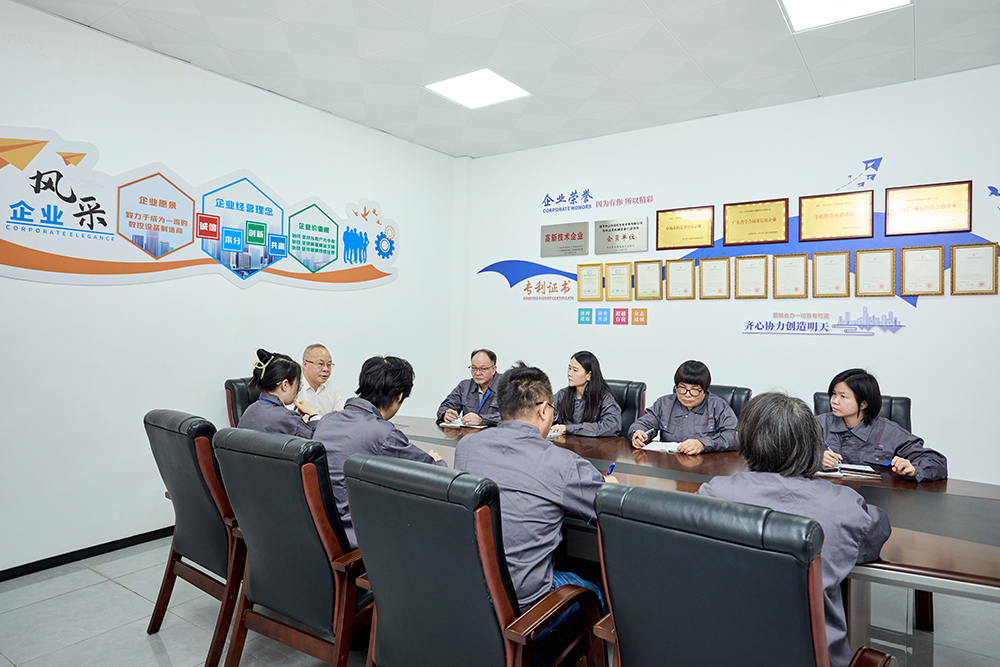
The company is located in the Industrial Development Zone of Zhongshan City, Guangdong Province, with a self-owned factory area of over 20,000 square meters. It has a professional design and production manufacturing team. Continuous innovation development, standardized production operations, and strict product quality control management have enabled the company to successfully apply for a number of product invention and utility model patents and successfully pass international ISO9001 and ISO14001 system certifications.
Our machine architectures feature premium cast-iron bases with heavily ribbed slant-bed designs to maximize thermal stability, structural rigidity, and vibrational dampening. This ensures that even under heavy, continuous cutting conditions, our dual-spindle platforms deliver repeatability down to ±0.002mm.
The global CNC machine tool market is undergoing a significant transition driven by automation, reshoring initiatives, and the demands of high-tech industries. As manufacturers across Europe, North America, and Asia look to hedge against rising labor costs and volatile global supply chains, the demand for highly autonomous, multi-tasking machine tools has spiked. OEM Dual-Spindle CNC Turn-Mill platforms have transitioned from niche components to critical infrastructure.
Industries such as aerospace, electric vehicles (EV), and medical devices demand increasingly complex geometries in lightweight, tough materials like titanium, Inconel, and medical-grade stainless steel. A standard CNC lathe cannot efficiently process these materials when complex milling features are required. Sending parts back and forth between turning centers and milling centers introduces fixture stack-up errors, labor overhead, and WIP (work-in-progress) lag. By centralizing operations into one machine, industrial facilities achieve:
How our dual-spindle dual gang-tool technology solves critical production challenges in key global industries.
Precision titanium bone screws, dental implants, and surgical instruments require intricate micro-machining with exceptional surface finishes. Our dual-spindle architectures allow thread-whirling and reverse-end slotting to occur concurrently, ensuring high productivity while maintaining strict biocompatibility standards.
With the rise of Electric Vehicles, parts like complex sensor housings, high-speed motor shafts, and valve manifolds require rapid, cost-effective production. The twin-spindle setup allows simultaneous machining of motor shaft splines and internal fluid channels, keeping pace with automotive throughput needs.
High-pressure hydraulic fittings, fuel nozzles, and custom structural fasteners demand flawless reliability. Our high-rigidity slant bed frame absorbs heavy cutting forces from exotic alloys, while the dual gang tooling system ensures quick tool adjustments for ultra-precise tolerances.
As an industry-leading high-tech enterprise, Zhongshan Nuoxin Intelligent Equipment Co., Ltd. is continually driving research and development to align with Industry 4.0 paradigms. Our technical roadmap focuses on three main pillars:
Modern machine tools must transition from reactive maintenance to predictive health monitoring. Our upcoming generations of dual-spindle turn-mill centers will integrate advanced vibration and thermal sensors. These sensors feed real-time structural data to the CNC controller, executing real-time thermal expansion compensation algorithms to maintain part precision over multi-hour runs.
To facilitate lights-out manufacturing, our machines are designed to integrate seamlessly with robotic arm loaders, bar feeders, and automatic part unloaders. Our customized PLC channels allow direct handshake protocols with AGVs (Automated Guided Vehicles) and centralized MES (Manufacturing Execution Systems).
By leveraging advanced CAM post-processing and AI-driven path planning, we minimize non-cutting transit movements of both gang tool plates. This maximizes spindle uptime, minimizes mechanical wear, and reduces overall energy draw per part produced.
The company's product quality and after-sales service are highly recognized by customers. Our business scope has covered aviation, automobiles, motorcycles, construction machinery, home appliances, plumbing and bathroom, lighting, medical and optoelectronics, etc.
We provide systemic technical service support to customers, from pre-sale technical consultation to in-sale installation and commissioning and technical training, to after-sale maintenance services and customer follow-ups. Our after-sales team can respond promptly and solve your worries at any time. We also provide comprehensive operator training, helping clients configure optimal tooling layouts, choose ideal cutting parameters, and maximize machine utilization rates.
Expert technical answers regarding dual-spindle dual gang-tool operation, capability, and optimization.
Looking to the future, our company will consistently adhere to the business philosophy of "honesty, responsibility, innovation, and win-win", and implement the quality policy of "quality improvement, customer satisfaction first". We will continue to improve and provide continuous services to offer customers higher-quality products and more satisfactory services! We look forward to your visit and cooperation!
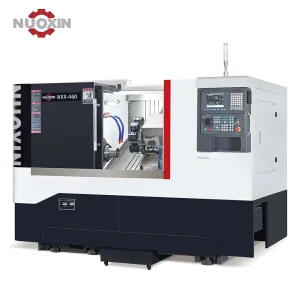
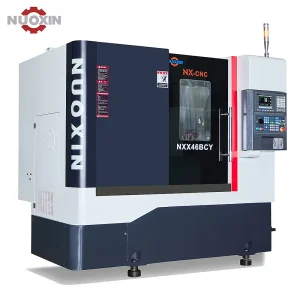
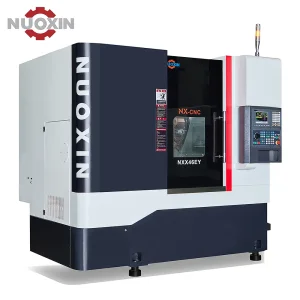
Explore our technical configurations of high-performance turn-mill centers and high-precision CNC units.
 Nuoxin