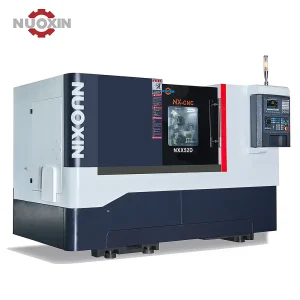
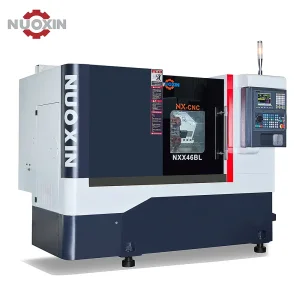
Procuring industrial-grade CNC lathes requires an in-depth understanding of Total Cost of Ownership (TCO), machining efficiency, and kinematic alignment. For manufacturing units ranging from high-precision medical suppliers to heavy-duty automotive component lines, a CNC lathe is not just a hardware purchase—it is a long-term operational investment.
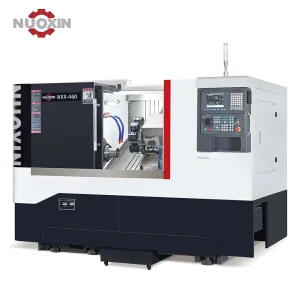
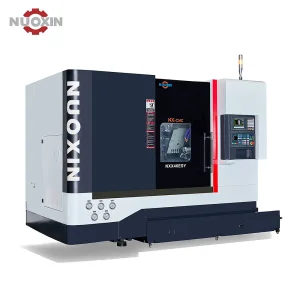
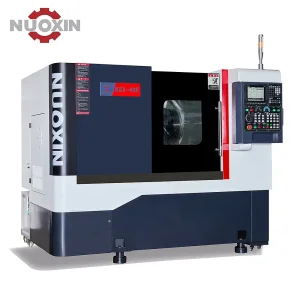
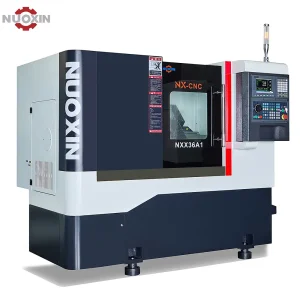
Modern CNC systems such as the NXX series balance footprint constraints with structural rigidity. Small and medium slant bed configurations optimize chip removal, heat dissipation, and tooling density, directly influencing tool life and cycle execution times.
By leveraging standardized structural assemblies and modern CAD/CAM software integrations, businesses can realize significant savings not only on initial capital expenditure but on the lifetime operational and tooling costs.
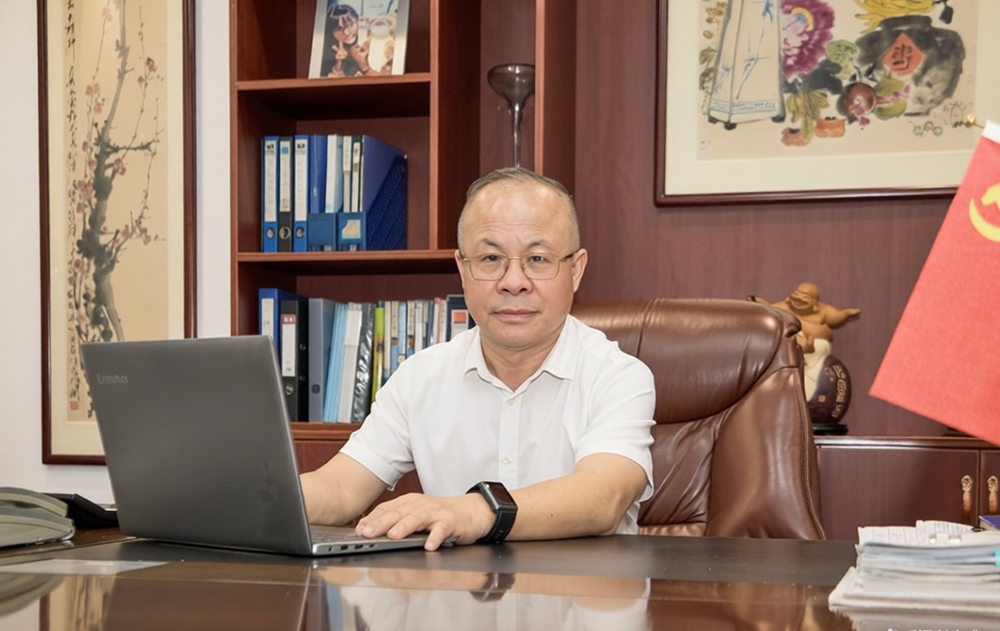
China's specialized industrial clusters, particularly in the Guangdong province, have created a highly integrated eco-system for mechanical engineering, precision castings, and control assembly.
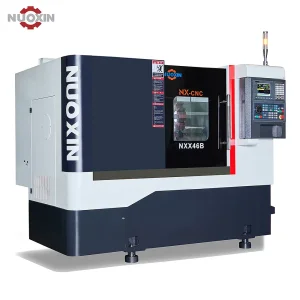
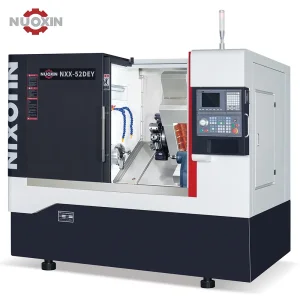
Proximity to premium foundry yards ensures that bases for CNC slant bed lathes (such as the NXX-46B and NXX-52D) are manufactured from high-quality Meehanite-equivalent cast iron, naturally aged to eliminate internal stresses before final precision grinding.
Chinese factories optimize production workflows through standardized machining modules. This allows buyers to purchase high-precision features, like live tooling and twin-spindle sub-assemblies, at a fraction of the cost of European equivalents.
Whether configuring automated bar feeders, specialized hydraulic chuck setups, or customized rotary turrets, China-based manufacturers like Zhongshan Nuoxin maintain design teams to adapt machines to custom production constraints.
The CNC machine tool landscape is transitioning rapidly from traditional single-spindle stand-alone turning configurations to hybrid, multitasking machining centers. The integration of Y-axis tooling and live power turrets has reshaped parts production globally.
Key technological shifts driving the industry include:
Compare structural and kinematics layouts to determine the best match for your manufacturing demands.
| Lathe Class / Model Type | Bed Geometry | Turret Configuration | Ideal Application Scenario | Strategic Advantage |
|---|---|---|---|---|
| Flat Bed CNC Lathe | Horizontal (0° Bed) | Gang Tooling / 4-Station | Long shaft turning, general maintenance, low-volume production | Lowest initial investment cost, straightforward setup |
| Slant Bed CNC Lathe (e.g., NXX-36A1, NXX-52D) | Inclined (35° / 45°) | Hydraulic / Servo Turret | High-volume precision turning, continuous automated runs | Superior chip evacuation, excellent rigidity, thermal stability |
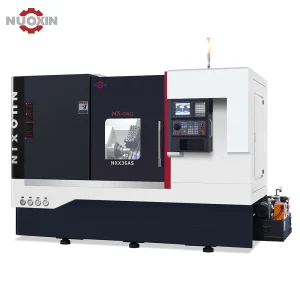
| Twin-Spindle CNC Lathe (e.g., NXX-36AS) | Inclined Slant Bed | Twin-Gang / Dual Turret | Complex symmetrical parts, double-ended machining in one cycle | Eliminates manual part repositioning, cuts cycle time in half |
| Turn-Mill Multi-Tasking (e.g., NXX-46ESY, NXX-52DEY) | Slant Bed with Y-Axis | Live Power Servo Turret | Aerospace, medical instruments with intricate milling & drilling needs | Complete part machining in a single operation, zero transfer errors |
Our solutions target the high-precision processing of engine valvetrains, turbine injectors, and transmission shafts. The rigid construction of the NXX-46B maintains tight dimensional tolerances under continuous thermal load.
Surgical-grade stainless steel and titanium components require extremely clean surface finishes. Nuoxin’s ultra-precision twin-spindle lathes execute micro-machining profiles with sub-micron tool accuracy.
Mass production of brass fittings, aluminum housings, and complex connector threads. High spindle speeds combined with quick gang-tool configurations minimize cost-per-part ratios to secure high margins.
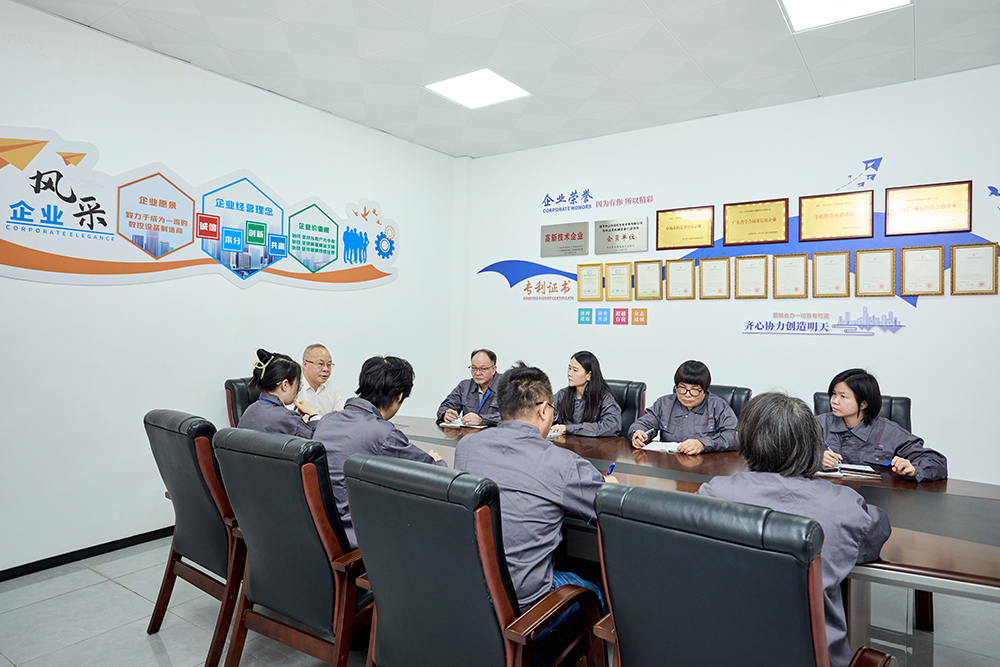
Founded in 2004, Zhongshan Nuoxin Intelligent Equipment Co., Ltd. is a recognized high-tech enterprise dedicated to the design, research, and manufacture of advanced CNC turning centers, multi-axis turn-mill configurations, and vertical machining centers.
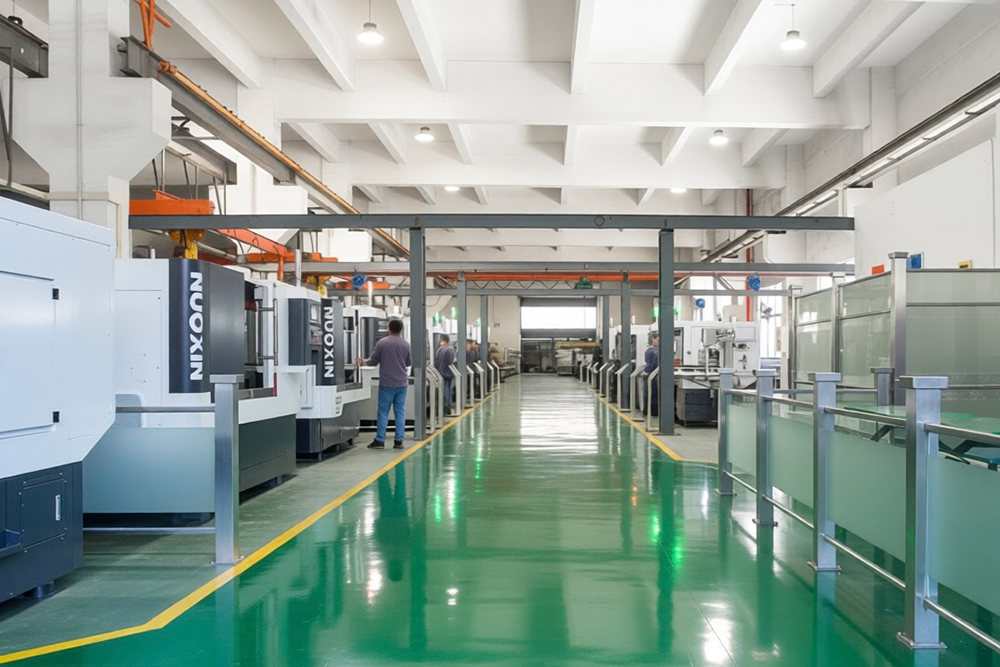
Over the past 20 years, Nuoxin has gained titles like "Guangdong Province High-tech Enterprise" and serves as a key council member of the Zhongshan Machinery Chamber. From our modern 20,000 square meter factory floor, we offer complete turn-key solutions including component test cuts, custom-tailored fixture design, software integration, operator training, and field support.
Our commitment is built on our core business values: honesty, responsibility, innovation, and mutual win-win outcomes, ensuring that our machines achieve maximum uptime and reliability on your factory floor.
A slant bed design (typically ranging from a 35 to 45-degree tilt) allows hot metal chips and coolant to fall directly into the chip tray or conveyor via gravity. This prevents chip build-up on the linear guideways, which can otherwise cause thermal distortion, surface finish defects, and premature wear on the ball-screws.
When reviewing quotes, ensure that you look beyond the base unit price. Verify the brands of critical components: CNC control system (e.g., Fanuc, Siemens, or Syntec), linear guides (e.g., HIWIN or PMI), spindle bearings (e.g., NSK or FAG), and hydraulic chuck actuators. Always confirm if the price includes the bar feeder interface, chip conveyor, and basic tool holder kits.
Yes. We design and integrate automation solutions, including custom-designed gantry systems, floor-mounted articulating robotic arms, automated hydraulic parts catchers, bar feeders, and in-line tool setters. This enables reliable 24/7 "lights-out" operation.
We provide pre-sale technical consultations and component cycle-time calculations. Upon machine delivery, we offer detailed video diagnostics, remote PLC support, and complete operations manuals. When required, our field engineers travel internationally for on-site installation, machine calibration, and technical training.
A twin-spindle CNC lathe (such as the NXX-36AS) features a main spindle and a sub-spindle. After the first machining phase is finished, the sub-spindle automatically grips the part, pulls it, and performs the back-end machining. This eliminates manual secondary operations, speeds up cycles, and improves concentricity.
 Nuoxin