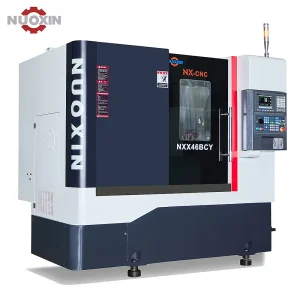
High-rigidity slant bed structures, twin-spindle configurations, and dual-gang tooling systems designed for rapid cycle times and tight tolerances.
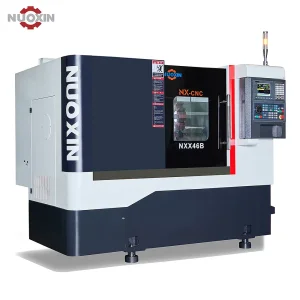
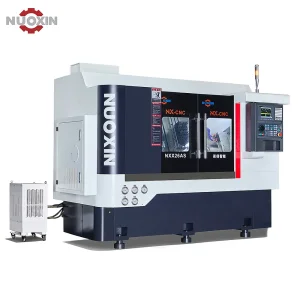
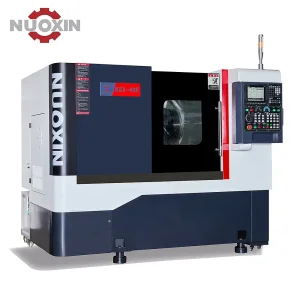
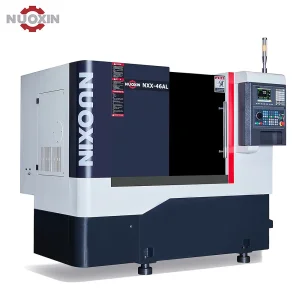
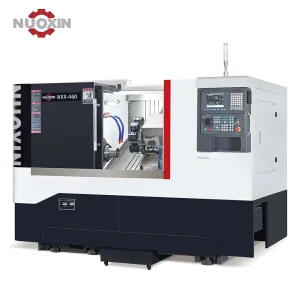
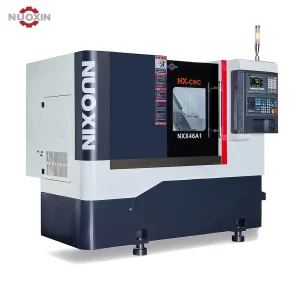
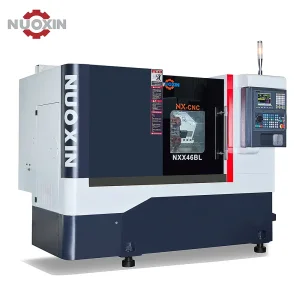
The manufacturing sector is undergoing a profound paradigm shift, driven by Industry 4.0 paradigms. The global demand for Smart CNC Lathes is no longer driven solely by basic metal-cutting capabilities. Instead, modern industrial operations demand highly integrated, smart, and adaptive subtractive machining centers. These systems must execute multi-axis processes, manage tight geometric tolerances (down to sub-micron levels), and offer continuous connectivity for predictive diagnostics.
From North American automotive plants transitioning to high-precision Electric Vehicle (EV) components, to Western European medical hardware manufacturers fabricating custom orthopedic implants, the need for intelligent turning-milling centers has escalated. In this dynamic space, enterprises require a complex balance of thermal stability, mechanical rigidity, and cost-effective acquisition. Purchasing departments are optimizing their procurement models by focusing on total cost of ownership (TCO) and customization capabilities, transitioning away from standard, off-the-shelf machinery.
Modern CNC lathes utilize high-resolution closed-loop encoder systems and sensor arrays to monitor cutting forces, tool wear, and thermal deflection in real time, auto-adjusting for continuous accuracy.
By integrating twin spindles, Y-axis configurations, and live tooling turrets, components are fully machined from raw stock to finished parts in a single, uninterrupted setup.
Manufacturers require tailormade slant-bed architectures, customizable chuck sizes, specialized tool posts, and controller system integrations to align with pre-existing automated factory lines.
Zhongshan, located within the industrial heartland of Guangdong Province, is a major center for advanced machinery manufacturing. The region benefits from a highly integrated supply chain network, where raw castings, precision linear guides, servo drives, and state-of-the-art CNC controllers are sourced within a tight geographical radius. This industrial clustering enables organizations like Zhongshan Nuoxin Intelligent Equipment Co., Ltd. to optimize material lead times, execute rapid structural modifications, and maintain competitive pricing without compromising quality standards.
This localized efficiency directly impacts production costs. In comparison to Western machinery builders, Chinese precision builders offer substantial value through specialized labor pools, automated assembly processes, and local casting foundries. Furthermore, strict adherence to international quality management systems, such as ISO9001 and ISO14001, ensures that every machinery unit shipped globally conforms to strict runout tolerances and geometric standards. This combination of structural reliability and cost efficiency makes Chinese CNC lathes highly appealing to modern procurement managers seeking maximum return on investment.
Established in 2004, pioneering the field of high-precision slant-bed lathes and turning-milling centers for over two decades.
Zhongshan Nuoxin Intelligent Equipment Co., Ltd. is a recognized high-tech enterprise specializing in the research, development, and high-volume production of precision machining equipment. Our extensive product portfolio includes inclined and slant bed CNC lathes, multi-tasking turn-mill centers, and high-speed vertical machining centers. Over our 20-year history, we have continuously reinvested in our manufacturing capabilities and engineering talent, earning the title of "Guangdong Province High-tech Enterprise" and holding a prominent position as a "Zhongshan Machinery Chamber Council Member Unit."
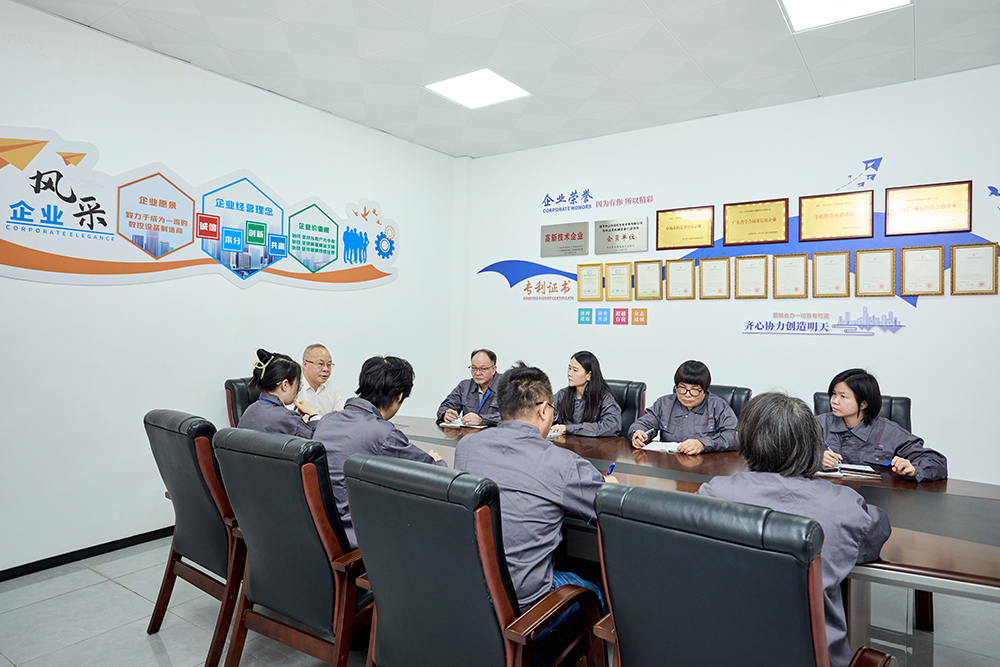
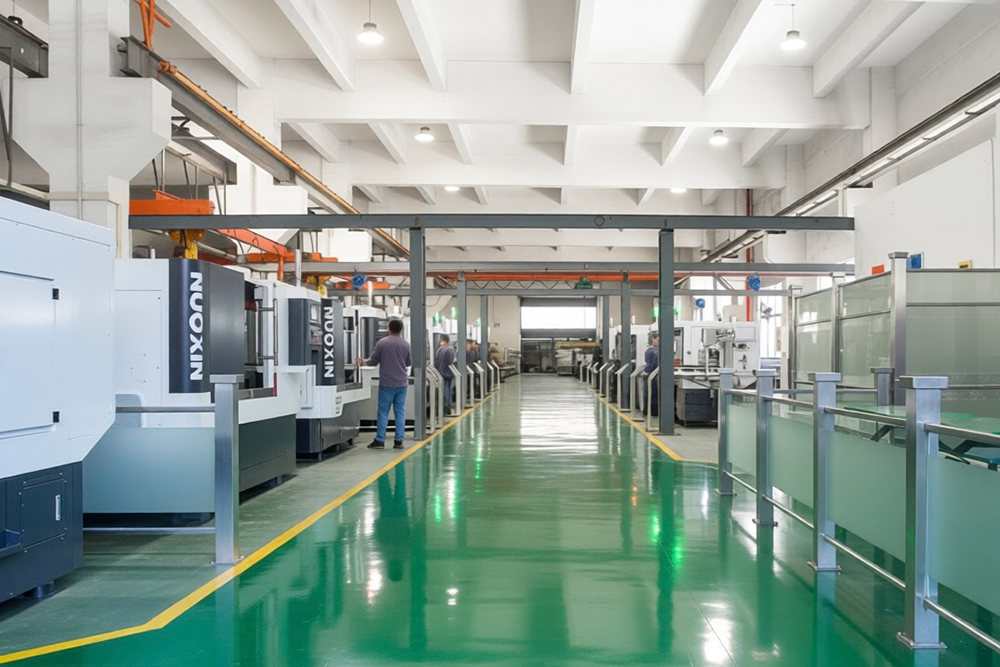
Operating out of our self-owned factory facility spanning over 20,000 square meters in Zhongshan City's industrial development zone, we integrate engineering design, precision assembly, and rigorous testing under one roof. Our commitment to manufacturing quality has allowed us to secure multiple patents for product inventions and utility models, certifying that our technological solutions remain at the forefront of the industry.

Standardized manufacturing lines utilizing high-grade structural castings and precise hand-scraping processes.
Advanced laser interferometer calibration and dynamic balancing checks for every machine spindle.
Providing pre-sale consultation, custom tooling layouts, and comprehensive overseas after-sales support.
Smart CNC Lathes are the backbone of modern component manufacturing. Depending on the mechanical configuration, our systems are optimized for specific high-stakes applications:
The machine tool industry is rapidly adopting technologies designed to minimize manual operator intervention. The first major trend is the integration of advanced CNC control suites (such as SYNTEC, Fanuc, and Siemens) with external IoT software. This allows engineering leads to monitor machine load factors, thermal expansion cycles, and axis acceleration profiles remotely.
Secondly, the transition toward hybrid machines—such as twin-spindle, multi-turret turn-mill centers—reduces the footprint and operational complexity of modern shop floors. By finishing the part on a single machine, errors associated with transferring components between different fixtures are eliminated. Lastly, green manufacturing initiatives are driving the development of energy-efficient variable frequency hydraulic systems, minimal quantity lubrication (MQL), and smart sleep cycles to reduce energy usage.
When purchasing custom smart CNC machines, procurement managers must evaluate several technical variables that influence the overall configuration and pricing structure:
Essential insights for procurement agents, manufacturing engineers, and production leads.
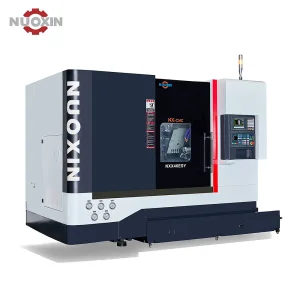
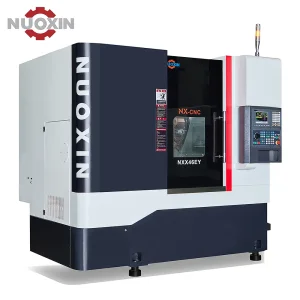
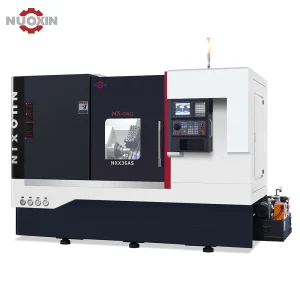
High-performance multi-tasking centers designed to minimize setup times and maximize accuracy for complex component geometries.
 Nuoxin