How to Choose the Best Turn Mill CNC Lathe for Your Needs?

Time:2026-07-09 Author:Sophia
0%

Choosing the best Turn-Mill CNC Lathe can be challenging. In recent years, the demand for versatile machining solutions has surged. According to a report by MarketsandMarkets, the global CNC lathe market is expected to reach $6 billion by 2026, driven by increased automation in manufacturing.

Expert John Smith, a renowned figure in CNC technology, emphasizes, “The right Turn-Mill CNC Lathe can significantly enhance productivity.” Such machines blend turning and milling in a single setup, reducing production time and increasing efficiency. However, not every model suits every application. Companies must consider several factors, including precision, scalability, and machine footprint.

Mistakes made in selecting a Turn-Mill CNC Lathe can lead to operational inefficiencies. Many manufacturers overlook their unique requirements, leading to underutilized machines. When investing, it’s crucial to align the machine’s capabilities with specific production goals. The landscape of CNC technology continues to evolve, demanding careful evaluation of potential choices.
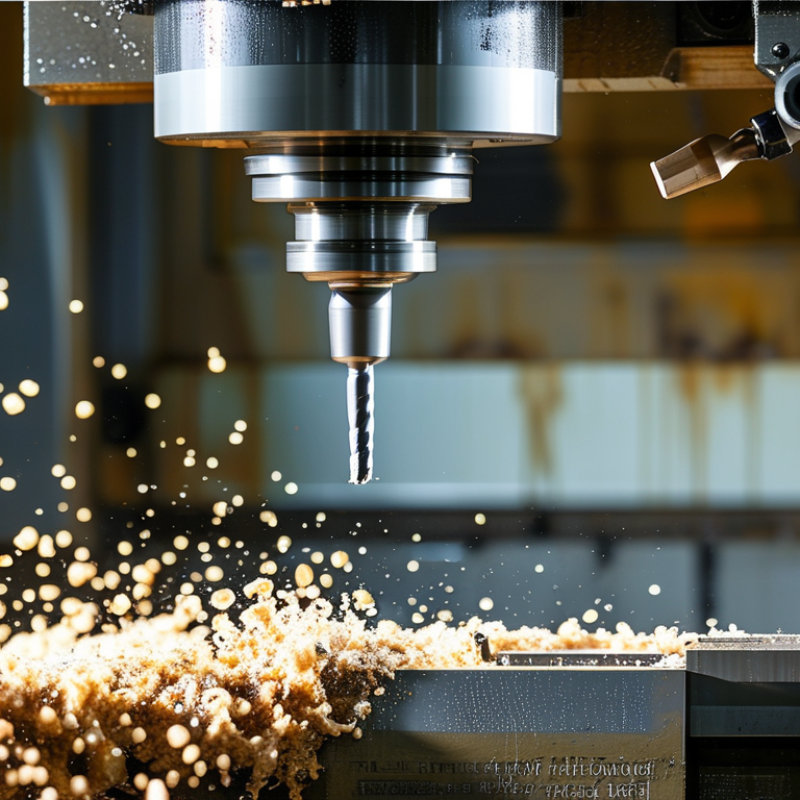
How to Choose the Best Turn Mill CNC Lathe for Your Needs?

Understanding Turn Mill CNC Lathes and Their Applications

Turn mill CNC lathes are versatile machines that combine turning and milling capabilities. They cater to various applications, including complex parts fabrication and precision machining. These machines can significantly enhance productivity, especially in industries such as aerospace, automotive, and medical device manufacturing. Understanding their unique attributes is crucial to making the right choice.

When selecting a turn mill CNC lathe, consider the type of materials you work with. Different machines excel with specific materials, impacting machining efficiency. Speed and accuracy are vital, yet balancing these elements can be challenging. Some users report struggles with achieving optimal settings for both tasks. Assess your operational needs and reflect on the types of parts you frequently create. It’s essential to evaluate your production volume, as this will influence your lathe choice.

Additionally, software compatibility and ease of use are often overlooked factors. New users might face a steep learning curve when navigating complex interfaces. Seek machines with user-friendly software that supports training resources. Real-world feedback reveals that operators sometimes feel overwhelmed by advanced features. Gathering opinions from experienced users can provide valuable insights. This approach enables you to choose a turn mill CNC lathe that genuinely fits your requirements.

Key Features to Consider When Choosing a Turn Mill CNC Lathe

When selecting a turn mill CNC lathe, several key features must be considered. One significant aspect is the machine's spindle speed. Higher spindle speeds improve machining efficiency and surface finish. Research indicates that machines with speeds above 4,000 RPM can reduce cycle times by up to 20% in many applications. This is a crucial factor for high-volume production.

Another essential feature is the tool change system. A reliable and fast tool changer can enhance productivity significantly. Machines equipped with automatic tool changers can reduce downtime, allowing for smooth transitions between complex operations. According to industry reports, companies that invest in efficient tool change systems experience up to 30% increases in operational efficiency.

Additionally, the machine's materials and build quality are vital. A rigid structure minimizes vibrations, ensuring precision. Professional assessments reveal that well-constructed lathes can maintain tolerances of ±0.01 mm consistently. A lack of quality in these areas can lead to costly errors and waste. Therefore, understanding these features will guide you toward the best machine for your specific needs.

Evaluating Your Production Needs and Budget Constraints

When evaluating your production needs and budget constraints, clarity is key. Understand the types of materials you’ll work with. Are you processing metals, plastics, or composite materials? Each demands different capabilities. Keep in mind your volume requirements. High-volume production may require advanced automation features, while lower volumes can allow for simpler machines.

Tips: Always reserve a portion of your budget for unexpected maintenance costs. Regular upkeep can prevent larger, more costly repairs down the road. Additionally, consider the user interface. A machine that is harder to operate may lead to training delays and inefficient usage.

Analyze your space as well. The machine's footprint is crucial. It should fit comfortably in your workshop without disrupting workflows. Think about future expansions too. Will your needs change? If so, invest in flexibility. A machine that adapts can be more cost-effective long-term. These considerations will guide you in making an informed choice.

Production Needs Evaluation for Turn Mill CNC Lathe Selection

Assessing Manufacturer Reputation and Customer Support Options

When selecting a turn mill CNC lathe, manufacturer reputation plays a critical role. A reliable manufacturer often has years of experience in the industry. This experience can translate into better design and production quality. Look for companies with a solid track record. User reviews and testimonials can provide insights into customer satisfaction levels.

Customer support options are equally important. Effective support can make a big difference in machine performance. Choose a manufacturer that offers comprehensive technical assistance. This includes easy access to repair services and available parts. A robust support system helps minimize downtime. A responsive support team can answer technical queries quickly.

Not all manufacturers are the same, and not all support is equally effective. Some may have great machines but poor follow-up services. It is essential to evaluate how companies handle issues. Reading customer reviews often reveals true experiences. Make sure the provider you choose aligns with your quality and support expectations.

How to Choose the Best Turn Mill CNC Lathe for Your Needs? - Assessing Manufacturer Reputation and Customer Support Options

Manufacturer Reputation Score (1-10) Customer Support Rating (1-10) Warranty Period Availability of Spare Parts
Manufacturer A 9 8 5 Years Excellent
Manufacturer B 7 9 3 Years Good
Manufacturer C 6 7 2 Years Fair
Manufacturer D 8 10 4 Years Excellent

Comparing Different Models and Technologies in the Market

When selecting a turn mill CNC lathe, comparing different models and technologies is crucial. Look for machines that best align with your specific industry needs. Factors like precision, speed, and versatility play important roles in this decision. Different models may offer unique advantages. Some are more suited for high-volume production, while others excel in complex, custom components.

Tips for choosing the right model include evaluating the control software. User-friendly interfaces can significantly enhance productivity. Also, consider the spindle motor power. Higher power ratings can handle tougher materials. Remember, your choice should balance capabilities with budget constraints.

Don’t ignore the importance of after-sales support. Reliable customer service can help minimize downtime. Research user reviews to gauge the machine's reliability. This is often an overlooked aspect that can lead to unexpected challenges down the line. Understanding each model’s strengths and weaknesses is key to making an informed choice.

FAQS

: What are turn mill CNC lathes used for?

: They are used for complex parts fabrication and precision machining in various industries.

How does spindle speed affect machining?

Higher spindle speeds improve efficiency and surface finishes, reducing cycle times by up to 20%.

What is essential when selecting materials for machining?

Different machines excel with specific materials, impacting overall machining efficiency.

How can software compatibility influence machine selection?

Machines with user-friendly software and training resources can reduce the learning curve for new users.

What role does tool change speed play?

A reliable tool changer enhances productivity, reducing downtime during operations.

Why is build quality important in CNC lathes?

A rigid structure minimizes vibrations, ensuring precision and maintaining tolerances of ±0.01 mm.

What challenges do new users face withturn mill machines?

They often struggle with complex interfaces and advanced features that can be overwhelming.

How should production volume impact machine choice?

Evaluating production volume helps determine the best machine for your specific operational needs.

What can be a risk if quality is overlooked?

Poor quality can lead to costly errors and waste, impacting overall productivity.

Why is it valuable to gather feedback from experienced users?

Their insights can guide you in choosing a lathe that genuinely fits your requirements.

Conclusion

When selecting the best Turn-Mill CNC Lathe for your specific needs, it is essential to begin with a solid understanding of what Turn-Mill CNC Lathes are and their diverse applications in various industries. Consider key features that align with your operational requirements, such as spindle speed, tooling versatility, and automation capabilities.

Additionally, evaluating your production needs alongside budget constraints is crucial for making an informed decision. Assessing the reputation of manufacturers and the level of customer support they provide can further enhance your selection process. Finally, comparing different models and technologies in the market will help you find a Turn-Mill CNC Lathe that not only meets your needs but also offers the best value for your investment.


Sophia

Sophia

Sophia is a dedicated marketing professional with an exceptional depth of knowledge about her company's products and services. With a keen understanding of market trends and customer needs, she crafts insightful blog posts that not only inform but also engage readers, enriching the company’s online......