Choosing the best Horizontal CNC Lathe is crucial for any machining business. These machines enhance precision and efficiency in manufacturing. However, not all lathes are created equal. Each model serves different purposes and industries. Understanding your specific needs is vital.
When selecting a Horizontal CNC Lathe, consider the material you will work with. Soft metals require different tools compared to harder alloys. The lathe's capacity is also important. You need a machine that fits your workspace while meeting your production requirements.
Another key factor is the machine's control system. Modern CNC lathes often feature advanced software. This can lead to a steep learning curve for operators. Make sure your team is ready to adapt. Investing time in training can optimize productivity. Reflect on these considerations carefully. The right choice can greatly impact your operational efficiency. Keep in mind that even the best machines have limitations. Regular maintenance and operator skill are crucial for long-term success.
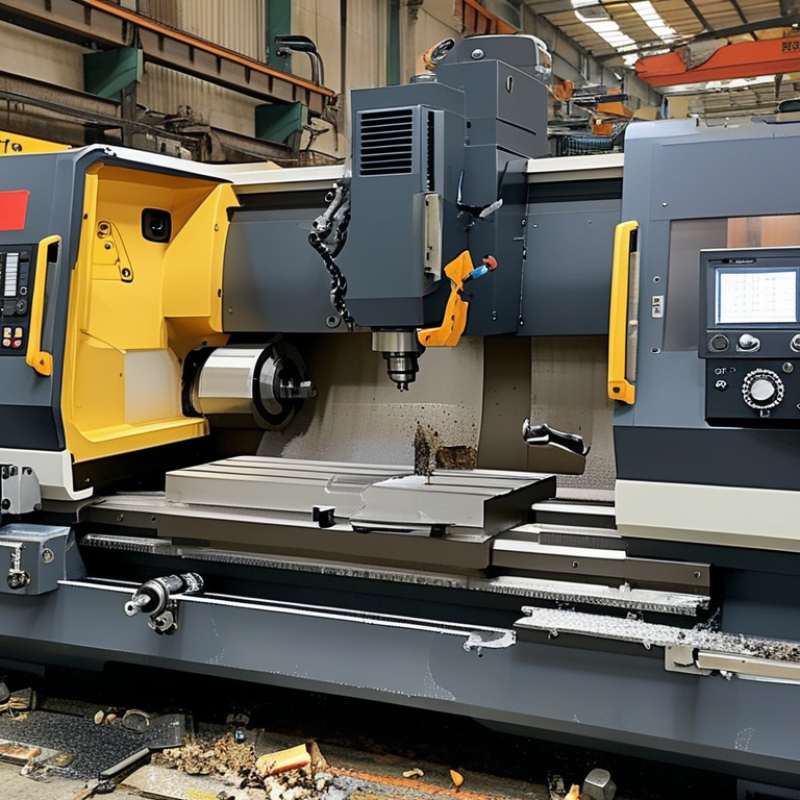
Understanding your machining needs is crucial when selecting a horizontal CNC lathe. Different projects require different capabilities. For instance, consider the materials you will be working with. Metal, plastic, and wood each have unique properties. The lathe must accommodate these differences to provide optimal results.
Think about the size of your components. Larger pieces might need a more robust machine. However, if your projects are small and intricate, you’ll want precision over power. Don't ignore the complexity of your designs. Simple shapes can be handled by basic lathes, but complex geometries demand advanced features.
Reflect on your production volume as well. High-volume production requires efficiency, while low-volume needs might focus on versatility. Each choice impacts operating costs. Evaluate maintenance requirements, as some lathes demand more attention.
Finding the right balance between capabilities and your specific needs can be challenging. Take your time to research and explore the options available. Make sure to consult with experts, if possible. Their experience can guide your decision-making process, helping you identify the best fit for your applications.
When evaluating horizontal CNC lathes, several key features become crucial. Understanding these elements can significantly impact your manufacturing efficiency and productivity. One important feature is spindle speed. High spindle speeds can enhance the machining process, allowing for faster completion of tasks. According to a recent industry report, lathes with speeds over 3000 RPM show a 30% increase in productivity in high-volume operations.
Next, consider the bed length and rigidity. A longer bed provides stability, crucial for precision machining. The bed’s material also influences performance. Steel structures tend to reduce vibrations more effectively than cast iron. Research indicates that reducing machine vibrations by 20% leads to a 15% improvement in finishing quality.
Tooling options are another vital aspect. Machines offering quick-change tooling can significantly reduce downtime. Studies suggest that companies employing such technologies can increase overall productivity by 25%. However, it’s critical to assess compatibility with your existing tooling. Many businesses overlook this integration, only to face unexpected costs later. These reflections can guide you in choosing a lathe that truly meets your needs.
When selecting a horizontal CNC lathe, brand and model comparisons play a crucial role. According to recent industry reports, brands vary significantly in capabilities, pricing, and technology. For instance, some models excel in precision engineering and are suitable for high volumes, while others are designed for versatility and ease of use. The trend shows that larger machines can handle more extensive projects, but their initial investment might be higher.
Market analysis indicates that users prioritize reliability and serviceability. A well-known report estimates that 35% of manufacturers consider after-sales support a key buying factor. This highlights the importance of choosing brands recognized for their customer service. Additionally, recent data shows that machines with advanced automation features tend to increase productivity by up to 25%. However, not all automation technologies are user-friendly or compatible with existing setups, which often leads to a steep learning curve.
While many models claim to meet diverse manufacturing needs, users should carefully assess their own requirements. Sometimes, a basic model may suffice for small production runs, although it might lack advanced features. Balancing price with functionality can be challenging, especially when dealing with vendors who overemphasize certain attributes. Industry experts recommend trial runs or demonstrations to evaluate operational efficiency and ease of integration before making a final decision.
When selecting a horizontal CNC lathe, budget considerations are paramount. A well-structured cost-effectiveness analysis can guide you in making the best choice. Industry reports indicate that production costs can account for up to 70% of a business's operational expenses. Thus, understanding the initial investment and ongoing costs is crucial.
A typical horizontal CNC lathe may range from $20,000 to $150,000. Lower-end models often lack advanced features, impacting efficiency and precision. Investing in higher-end models might seem steep. Yet, they often provide long-term savings through improved productivity and reduced maintenance needs. A report by the Association for Manufacturing Technology suggests that better machinery can reduce production time by 25%, translating into significant cost efficiency.
It's also worthwhile to consider the hidden costs associated with operation. This includes tooling, training, and electricity. These can quickly add up. Failing to account for these factors could lead to budget overruns. Additionally, older machines may require more frequent repairs, stressing your financial resources. Balancing upfront costs with potential operational savings requires a nuanced approach.
When choosing a horizontal CNC lathe, maintenance and support services play a crucial role. Machines require regular upkeep to perform efficiently. Ignoring routine maintenance can lead to unexpected breakdowns. Scheduled services help identify potential issues before they escalate. This proactive approach minimizes downtime and maintains productivity.
Investing in comprehensive support services is essential. Look for providers that offer training on machine operation and maintenance. Well-trained operators will make fewer mistakes, ensuring the machine runs smoothly. Good support can include troubleshooting assistance and availability of spare parts. This reduces the stress of machine failures.
Tips for maintaining your CNC lathe:
- Regularly clean the machine to prevent build-up of debris.
- Check lubrication levels frequently. Proper lubrication reduces friction and wear.
- Follow the manufacturer's maintenance schedule closely. This can prolong the machine's lifespan.
Having a proper maintenance plan can save money over time. It’s important to reflect on your machinery's needs. Delayed maintenance often leads to costlier repairs later. Take time to assess your lathe's performance regularly.
: Consider capabilities, pricing, and technology. Also assess reliability and serviceability.
After-sales support is critical. Many manufacturers rate it as a key buying factor.
Larger machines handle extensive projects but usually have a higher initial investment.
Yes, automation can increase productivity by up to 25%, but setup may be complex.
A basic model suits small production runs but may lack essential features.
Costs range from $20,000 to $150,000, depending on features and capabilities.
Don't forget about tooling, training, and electricity costs. These add up quickly.
Yes, older machines may need frequent repairs, impacting your budget significantly.
Consider trial runs or demonstrations to assess operational efficiency properly.
No, it can be challenging. Vendors may overemphasize certain attributes, leading to confusion.
Choosing the best Horizontal CNC Lathe involves a comprehensive understanding of your specific machining needs and requirements. Initially, it's crucial to evaluate the unique features of various Horizontal CNC Lathes, including spindle speed, tooling options, and automation capabilities, to ensure they align with your production goals.
Further, comparing popular brands and models in the market provides insight into performance and reliability, aiding in informed decision-making. Budget considerations are essential, as a cost-effectiveness analysis will help justify the investment based on expected outcomes. Finally, assessing the availability of maintenance and support services is vital to ensure the longevity and operational efficiency of your Horizontal CNC Lathe, ultimately enhancing productivity in your machining processes.

Nuoxin