2026 Top Two-Axis CNC Lathe Buying Guide and Trends?

Time:2026-07-09 Author:Oliver
0%

In the world of precision machining, the Two-Axis CNC Lathe stands out as a vital tool. Industry expert John Smith states, “A well-chosen lathe can redefine your production capabilities.” As manufacturing needs evolve, understanding the intricacies of CNC lathes is essential for businesses aiming for efficiency and quality.

Choosing the right Two-Axis CNC Lathe can be daunting. There are numerous models and features to consider. Users might overlook critical attributes, such as spindle speed or programming interfaces. Each choice can profoundly affect production outcomes. It's crucial to weigh these factors carefully.

Recent trends show an increasing emphasis on automation and integration. Modern lathes offer enhanced capabilities, yet they can also complicate operations. Companies must be prepared to adapt their practices. Embracing new technologies while assessing existing workflows is a challenge that manufacturers must navigate. This guide aims to illuminate the path forward, providing insights and trends to assist in the purchasing decision.
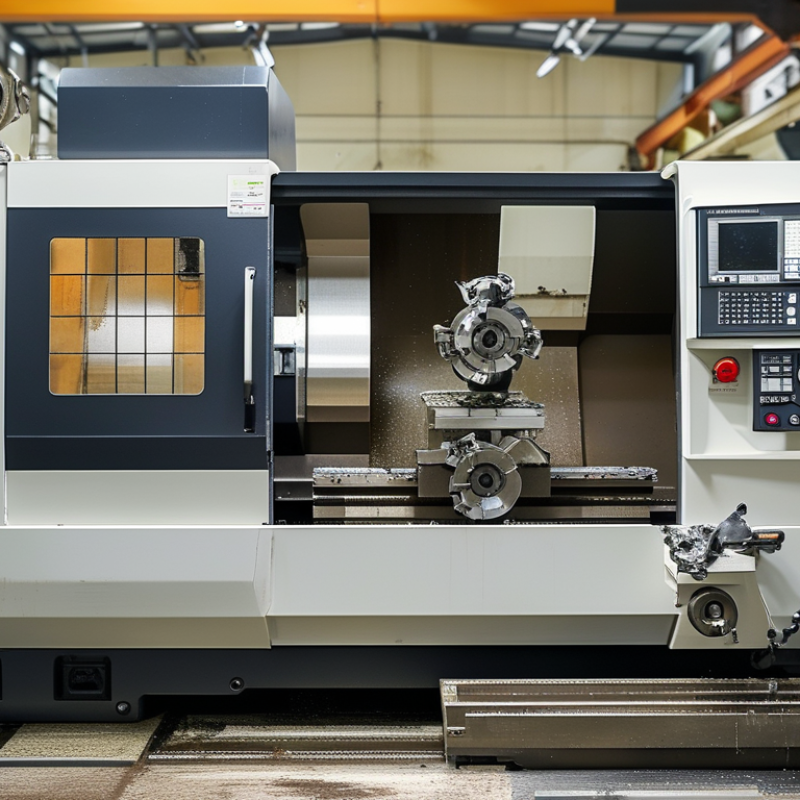
2026 Top Two-Axis CNC Lathe Buying Guide and Trends?

Overview of Two-Axis CNC Lathes and Their Applications

Two-axis CNC lathes play a critical role in modern manufacturing. They provide precision machining for cylindrical parts. These machines are essential for industries like aerospace, automotive, and medical device manufacturing. Their ability to produce complex shapes efficiently sets them apart.

When using two-axis CNC lathes, understanding their applications is crucial. Many manufacturers use them for turning, facing, and drilling operations. This versatility allows for a wide range of products, from simple components to intricate designs. Operators must ensure that the right tools and settings are used. This can significantly affect the quality of the final product.

**Tip**: Regular maintenance is key. Check and calibrate your lathe often. This helps maintain accuracy and extends the machine's lifespan.

Operators may face challenges with part alignment and tool wear. Ensuring proper setup can be time-consuming. However, taking the time to do it right pays off in the long run.

**Tip**: Always conduct a test run before full production. This allows for adjustments and prevents costly mistakes.

In summary, understanding the application and operation of two-axis CNC lathes can enhance productivity. Consider industry trends and potential advancements to stay competitive. The learning process never stops, and reflection on past production runs can offer valuable insights.

Key Features to Consider When Buying a Two-Axis CNC Lathe

When considering a two-axis CNC lathe, several key features are vital. Power and precision are top priorities. A robust motor ensures consistent performance, while advanced digital controllers enhance accuracy. According to industry data, lathes with higher RPM ratings can significantly improve machining efficiency.

Ease of operation is another crucial feature. User-friendly interfaces contribute to better productivity. Reports indicate that CNC systems with intuitive controls can reduce operator training time by almost 30%. When evaluating options, check for software compatibility and upgradeability.

Tips: Focus on the machine's maintenance requirements. Regular upkeep prolongs life and performance. Additionally, consider the availability of replacement parts. Limited access can complicate repairs. Keep in mind, investing in a CNC lathe is not just about the machine, but also about ensuring long-term support and service reliability. Take your time to evaluate different models carefully before making a decision.

2026 Top Two-Axis CNC Lathe Buying Guide and Trends

Current Trends in Two-Axis CNC Lathe Technology for 2026

The landscape of two-axis CNC lathe technology is rapidly evolving in 2026. Manufacturers are focusing on precision and efficiency. Improved motors and advanced software enhance operational capabilities. These innovations boost productivity while reducing cycle times. Users notice greater accuracy and reliability in their machining tasks. This trend is vital for industries demanding tight tolerances.


However, the adoption of these advanced lathes comes with challenges. Training operators to manage complex functions can be daunting. Some may struggle with the learning curve associated with new software interfaces. Additionally, the cost of upgrading machines is a significant consideration for many businesses. Budget constraints can hinder access to the latest technology. Companies must weigh the benefits against their current capabilities.


Moreover, sustainability is becoming increasingly important. Energy-efficient designs are trending, but not every new model meets these standards. Manufacturers are tasked with balancing innovation and environmental responsibility. Industry professionals must remain vigilant about long-term impacts. This ongoing evolution highlights the need for continuous learning and adaptation in CNC operations.

Comparative Analysis of Leading Two-Axis CNC Lathe Brands

When purchasing a two-axis CNC lathe, comparative analysis of various brands reveals critical differences. Key features such as precision, speed, and ease of use are paramount. Some machines stand out for their reliability, while others excel in affordability. A thorough understanding of these elements can influence a buyer's decision significantly.

In examining leading brands, user reviews highlight common themes. Many users appreciate consistency in performance, which is essential for maintaining quality in production. However, some machines may have reliability issues after extended use. Buyers should seek machines that offer a balance between advanced technology and dependability.

Moreover, considering support and service is vital. Manufacturers often claim extensive support but actual experiences vary widely. Engaging with existing users can provide insights into real-time performance and service. Understanding these nuances can lead to a more informed choice when investing in a CNC lathe.

Maintenance and Support Considerations for Two-Axis CNC Lathes

When considering maintenance for two-axis CNC lathes, it's crucial to have a proactive approach. Regular checks on critical components like bearings, belts, and screws can prevent major breakdowns. Many users overlook small issues, thinking they are inconsequential. This can lead to unplanned downtime, which is costly. Proper lubrication is vital too. Neglecting lubrication can cause components to wear down quicker than expected.

In terms of support, understanding the manufacturer's resources is essential. Many provide manuals that detail maintenance routines and troubleshooting steps. Familiarizing yourself with these documents can provide quick solutions to common problems. Training staff on proper operation and maintenance techniques reduces the risk of user error. Additionally, having a reliable technician and support network is key. They can offer insights that save time and money.

Regular audits of equipment can help identify worn parts before they fail. It's worth acknowledging that no machine is perfect. Users might feel confident in their techniques but should always remain vigilant. Even small adjustments can lead to significant improvements in machine longevity and performance. Reflecting on past maintenance experiences can guide better practices in the future.

FAQS

: What are two-axis CNC lathes used for?

: They are used for precision machining of cylindrical parts like those in aerospace and automotive industries.

Why is regular maintenance important?

It prevents major breakdowns, maintains accuracy, and extends the lifespan of the machine.

What common challenges do operators face?

Part alignment issues and tool wear are frequent challenges that require careful setup and attention.

How can one ensure quality production?

Conduct a test run before full production to make necessary adjustments and avoid costly mistakes.

How is CNC lathe technology evolving for 2026?

Newer models focus on improving precision and efficiency, utilizing better motors and advanced software.

What should companies consider when upgrading machines?

They must balance the benefits of new technology with training needs and budget constraints.

How can users avoid overlooking small maintenance issues?

Regular checks on bearings, belts, and lubrication are key to preventing costly downtime.

What resources can assist with troubleshooting?

Manufacturer manuals provide maintenance routines and troubleshooting steps for common issues.

Why is sustainability important in CNC lathe technology?

Energy-efficient designs are crucial as industries become more environmentally conscious and responsible.

How can past experiences improve maintenance practices?

Reflecting on previous maintenance can guide better techniques and help identify areas for improvement.

Conclusion

The "2026 Top Two-Axis CNC Lathe Buying Guide and Trends" provides a comprehensive overview of Two-Axis CNC Lathes, detailing their diverse applications across various industries. When considering the purchase of a Two-Axis CNC Lathe, key features such as precision, ease of operation, and software compatibility should be prioritized to ensure optimal performance.

The article also highlights current trends in Two-Axis CNC Lathe technology for 2026, including advancements in automation and connectivity that enhance productivity. A comparative analysis of leading brands is included to aid in making informed buying decisions, along with essential maintenance and support considerations to ensure longevity and reliability of the equipment. Overall, this guide serves as a valuable resource for anyone looking to invest in a Two-Axis CNC Lathe, underlining critical aspects to consider in this rapidly evolving market.


Oliver

Oliver

Oliver is a seasoned marketing professional with a wealth of expertise in driving brand awareness and engagement. With a deep understanding of our company's product offerings, he consistently delivers high-quality content that enriches our professional blog. His insights not only shed light on......